Europe Lisbon
Where to stay in Lisbon, quarter by quarter
Lisbon is small on the map and steep on foot. Here is how the Baixa, Chiado, Alfama, Príncipe Real and Belém compare for hills, noise, transport and evenings.
- First time here
- The Baixa or lower Chiado: the only flat part of the centre, with metro lines at its edges and most sights within an easy walk or short tram ride.
- From the airport
- Metro red line, then change
- Best months
- Spring and early autumn
- Getting there
- Fly into Lisbon, or train from Porto
- Pack
- Shoes with real grip for steep, polished cobbles
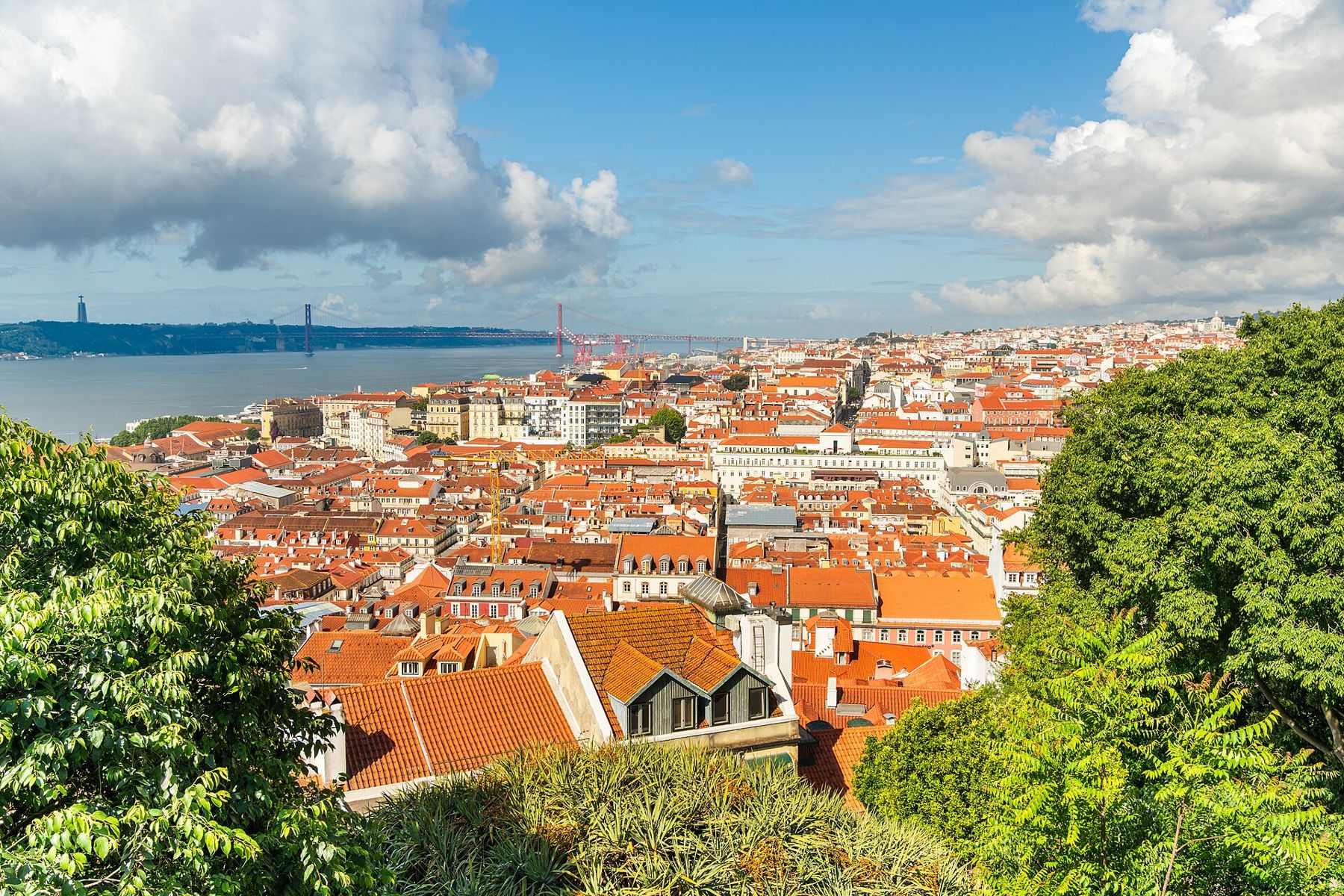
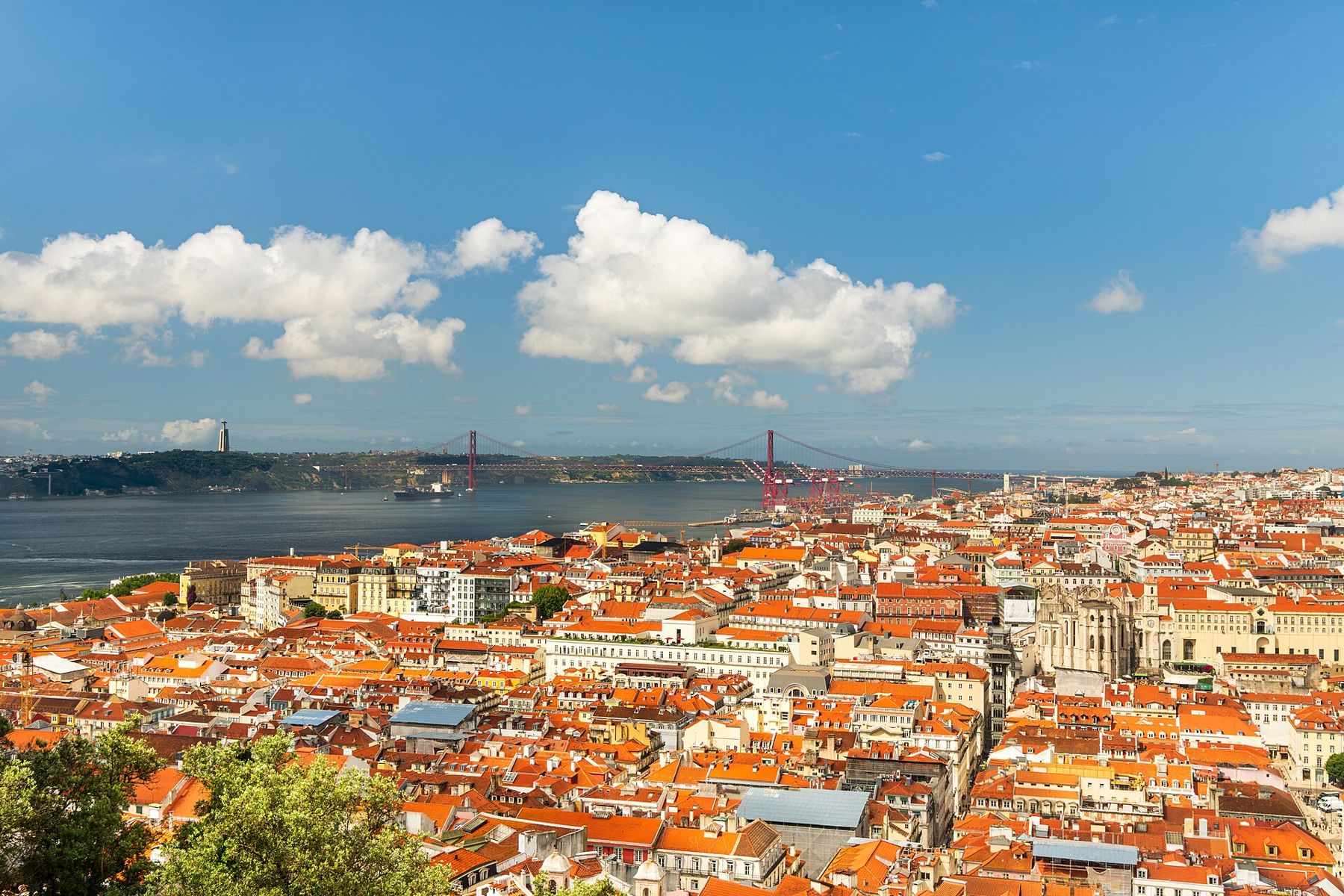
Lisbon is built on steep hills that fall to the wide estuary of the Tagus, and that one fact shapes where you should sleep more than anything on a flat map. Two streets that look a short walk apart can be separated by a long climb, a lift or a flight of worn stone steps. The centre is compact, the old trams are slow, and the metro misses some of the most loved hills, so the quarter you pick decides how tired your legs are by evening.
This guide compares five areas: the level Baixa with Chiado on the slope above it, the old hillside of Alfama and its neighbour Graça, leafy Príncipe Real beside the nightlife of Bairro Alto, and Belém out to the west along the river. None is the single right answer. Each suits a different kind of trip.
Baixa and Chiado: the flat middle and its first slope
The Baixa is the grid of straight streets between Rossio and the riverside square of Praça do Comércio, laid out after the earthquake of 1755. It is the one part of central Lisbon that is level, which makes it the easiest base if you travel with heavy luggage, small children or knees that dislike hills. Metro stations sit at its edges, including Baixa-Chiado on the blue and green lines, Rossio on the green line and Terreiro do Paço on the blue line, and many tram and bus routes start or pass close by.
The trade-off is character after dark. Much of the Baixa is shops and offices, and some side streets go quiet late in the evening while the main pedestrian street stays busy with visitors through the day. Street noise varies a great deal from block to block, so a room facing a back street is often worth asking for.
Chiado climbs the slope to the west. It is more polished, with theatres, old cafés, bookshops and churches, and it usually costs more than the Baixa. From Chiado you can walk up into Bairro Alto in minutes and down to the river at Cais do Sodré, where suburban trains leave for the coast towards Cascais. If you want the centre without the steepest climbs, Chiado and the upper Baixa are the safe middle ground.
Alfama and Graça: views, lanes and stairs
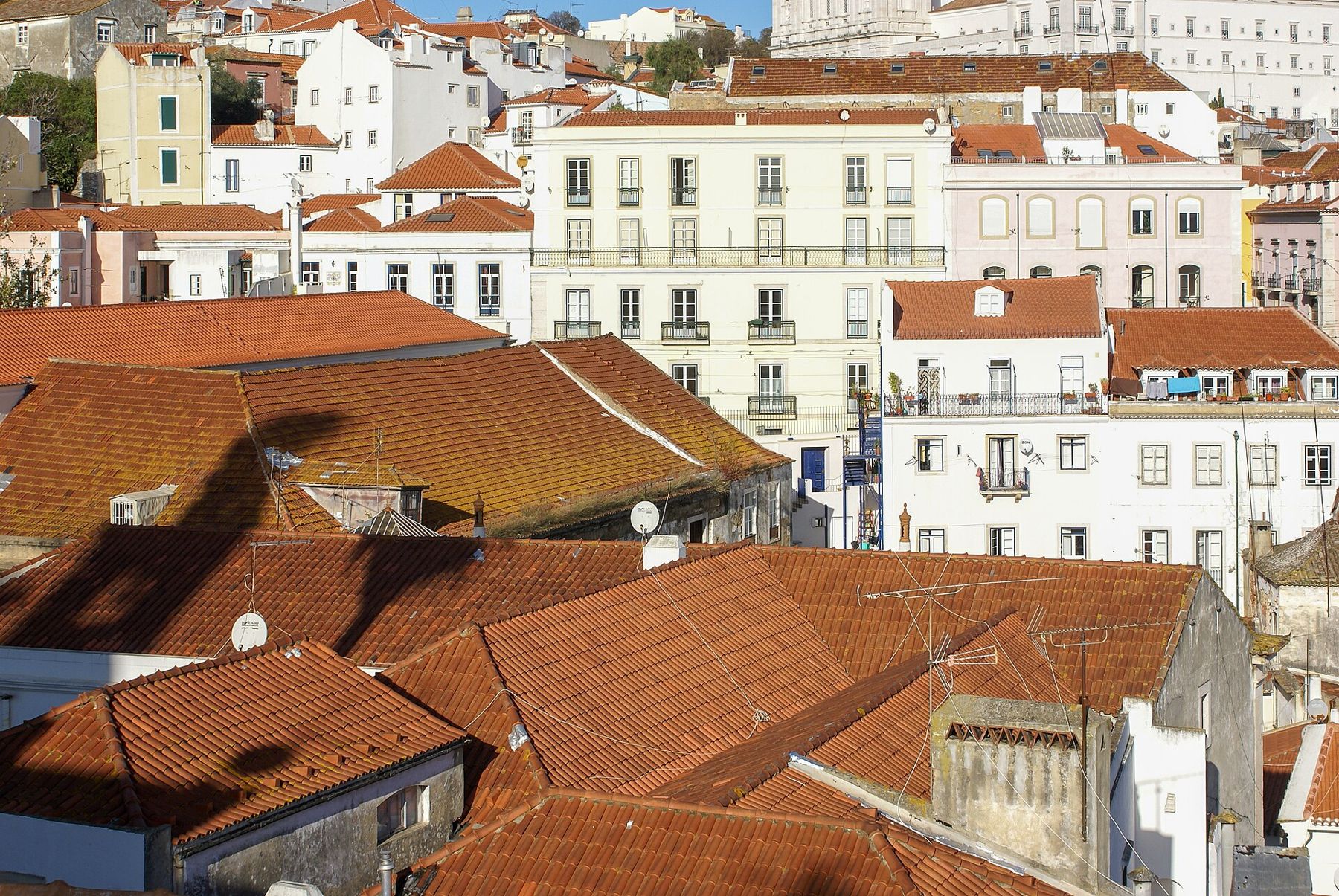
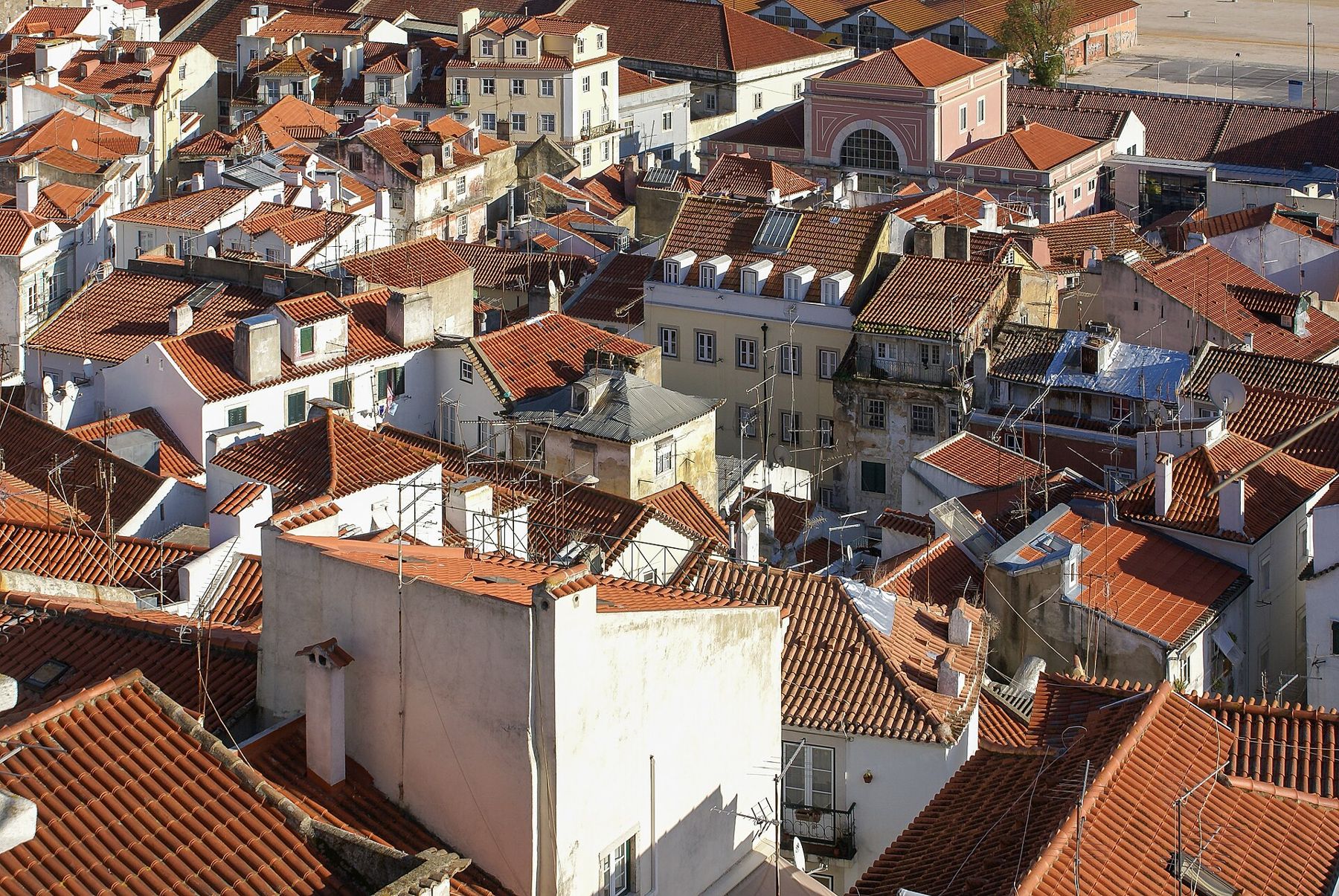
Alfama is the oldest quarter, a knot of lanes, staircases and small squares running from the river up towards the Castelo de São Jorge. It came through the 1755 earthquake better than the lower town, which is why its street plan feels so different from the Baixa grid. Washing hangs between windows, fado drifts out of doorways in the evening, and the viewpoints at Santa Luzia and Portas do Sol look over tiled roofs to the water.
Alfama rewards you with views and quiet lanes, and asks for them back in stairs. Many lanes are too narrow for cars, so a taxi may stop some distance from your door, and the walk home is often uphill. Cobbles turn slippery after rain. The metro does not reach the heart of the quarter; the nearest stations are along the river or down in the Baixa, and tram 28 squeezes through on its way between Graça and the centre, often very full.
Alfama rewards you with views and quiet lanes, and asks for them back in stairs.
Graça, above Alfama, is a lived-in residential area with its own viewpoints and fewer visitors in the evening. It suits a slower stay or a second visit more than a first, when you may prefer to be closer to the flat centre. In both quarters, rooms in old buildings can be small and lifts are not a given, so check the stairs before you choose.
Príncipe Real and Bairro Alto: one hill, two moods
Bairro Alto sits on the hill above Chiado and is best known for its nightlife: small bars, people drinking in the street and noise that can run well past midnight, especially at weekends. It is lively and central, but it is a poor fit for light sleepers, and its lanes can look tired by morning.
Change here forWhere to stay in BarcelonaThe Tagus lineKeep walking north and the mood changes within a few blocks. Príncipe Real is a quieter, greener and usually more expensive area built around a garden square shaded by a huge spreading cedar. Its streets hold design shops, galleries and restored mansions, and evenings are calmer. It is a good base for a return visit, or for couples who want to walk to dinner and back without a crowd.
The downside is transport. The nearest metro station, Rato on the yellow line, is a walk away, and getting down to the river means a descent you will have to climb again later. The Glória funicular, which runs up from Restauradores towards the edge of Bairro Alto, saves part of that climb.
Belém and the western riverside
Belém lies along the river west of the centre, with the Jerónimos Monastery, the Belém Tower, wide gardens and several museums. It is flat, spacious and calm at night once day visitors leave. Tram 15 runs out along the river from Praça da Figueira and Praça do Comércio, and suburban trains from Cais do Sodré stop at Belém on their way to Cascais.
The trade-off is distance. Most evenings out, and most sights in the old centre, mean a ride back in, and the choice of places to eat late is smaller. Belém works well if you plan day trips along the coast or want space and quiet. It works less well for a short first visit, when every hour spent on a tram is an hour taken from the city.
Getting in, getting around, and choosing
The airport is close to the city. The red metro line runs from the terminal into town, and you change to another line to reach most central stations: the green line at Alameda, the yellow at Saldanha or the blue at São Sebastião. Taxis and ride services also make the short trip. Check current fares and services before you go.
Inside the centre, walking is the main way to get around, helped by trams, funiculars and the Santa Justa lift. The old trams are slow and crowded at busy times and draw pickpockets, as crowded routes do in any big city, so keep bags closed and in front of you.
- First visit, short stay: the Baixa or lower Chiado, for flat streets and metro lines on the doorstep.
- Views and atmosphere: Alfama or Graça, if you are happy with hills and smaller rooms.
- Quiet and leafy, still central: Príncipe Real, if a walk to the metro does not bother you.
- Nightlife on the doorstep: Bairro Alto, accepting the noise.
- Space and coastal day trips: Belém.
If you are weighing a spot by a big transport hub against the old streets, the trade-offs in staying near the station or in the old centre apply here too. A few minutes with street-level imagery, as set out in how to read a neighbourhood, will show you how steep a street really is before you commit. And if Lisbon is one stop on a longer trip, the guide to where to stay in Rome takes the same quarter-by-quarter approach.