Asia Seoul
Where to stay in Seoul
Seoul spreads across both banks of the Han River. Here is how Jongno, Myeongdong, Hongdae, Gangnam and Seongsu compare for palaces, subway lines, hills and evenings.
- First time here
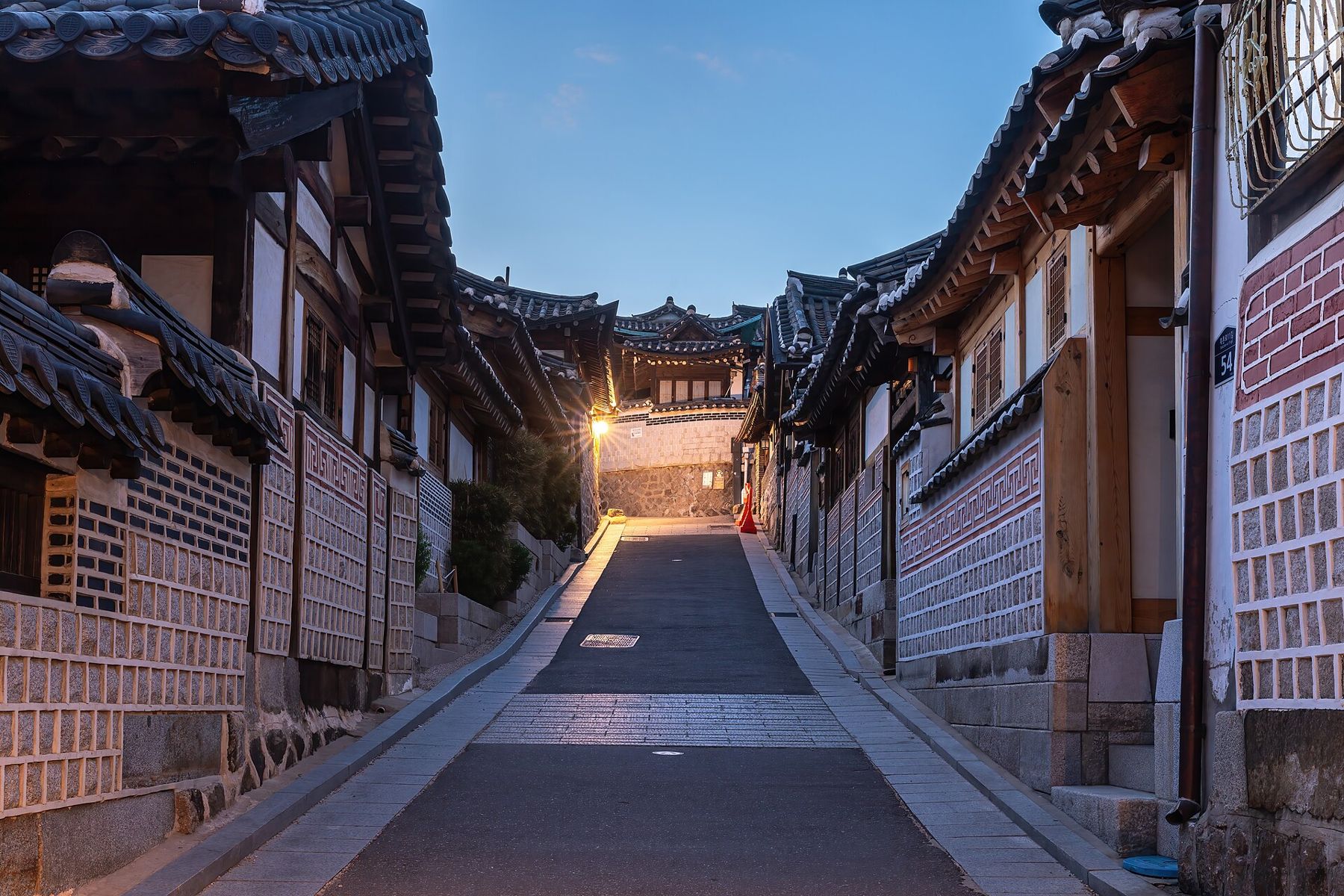
- Jongno, near the palaces and Insadong: the historic heart of the city, well served by the subway, with Bukchon's hanok lanes a walk away.
- From the airport
- AREX airport railway to Seoul Station
- Best months
- Spring and autumn
- Getting there
- Fly into Incheon, then the airport railway
- Pack
- A rechargeable transit card and layers for changing weather
Seoul is a vast city split by the Han River. The old royal city lies north of the river, ringed by hills, with palaces, markets and traditional houses. South of the river are newer districts of wide avenues and office towers. The subway is extensive, clean and clearly signed, so almost anywhere near a station is workable, but the quarter you choose shapes your days and your nights.
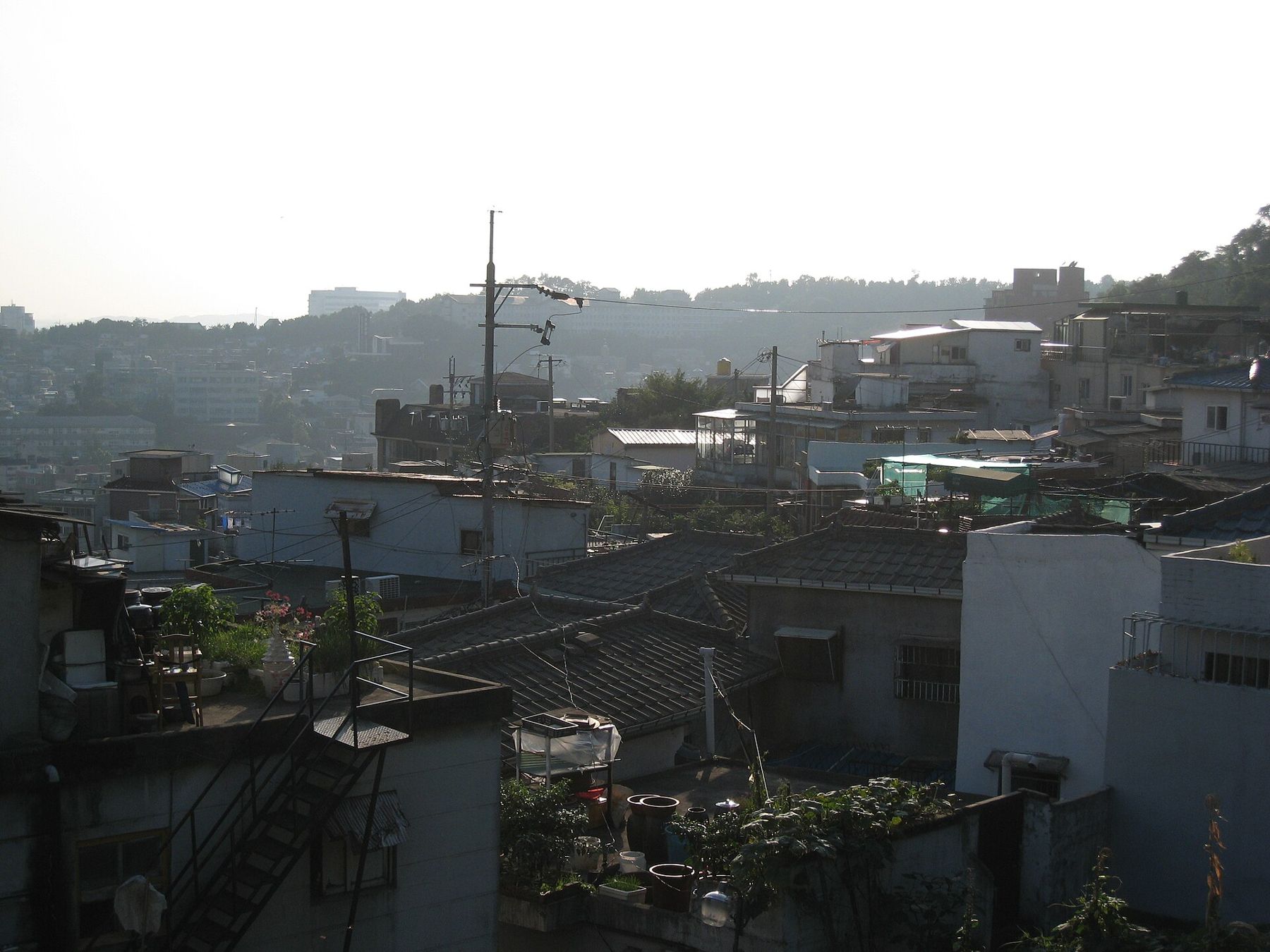
The city is also hillier than many visitors expect. Some of the most attractive streets, in Bukchon and around Namsan, climb steeply. Here is how five areas compare.
Reading the map: subway, river and hills
Seoul's subway lines are numbered and colour-coded, with station names and announcements in Korean and English, and transfers are usually well signed, though they can involve long walks underground. Line 2 runs in a loop that links Hongdae, the City Hall area, Seongsu and Gangnam, so a room near a line 2 station is rarely a bad choice. Line 4 runs through Seoul Station and Myeongdong, and line 3 passes the palaces of Jongno before crossing the river to the south.
Distances between quarters are larger than in most European capitals. Crossing from Jongno to Gangnam takes a while by subway, and taxis can be slow in the evening rush. It makes sense to pick a base near what you most want to see, rather than trying to sit in the middle of everything. Station exits are numbered, and the exit closest to your street can save a long climb, so it is worth checking before you arrive.
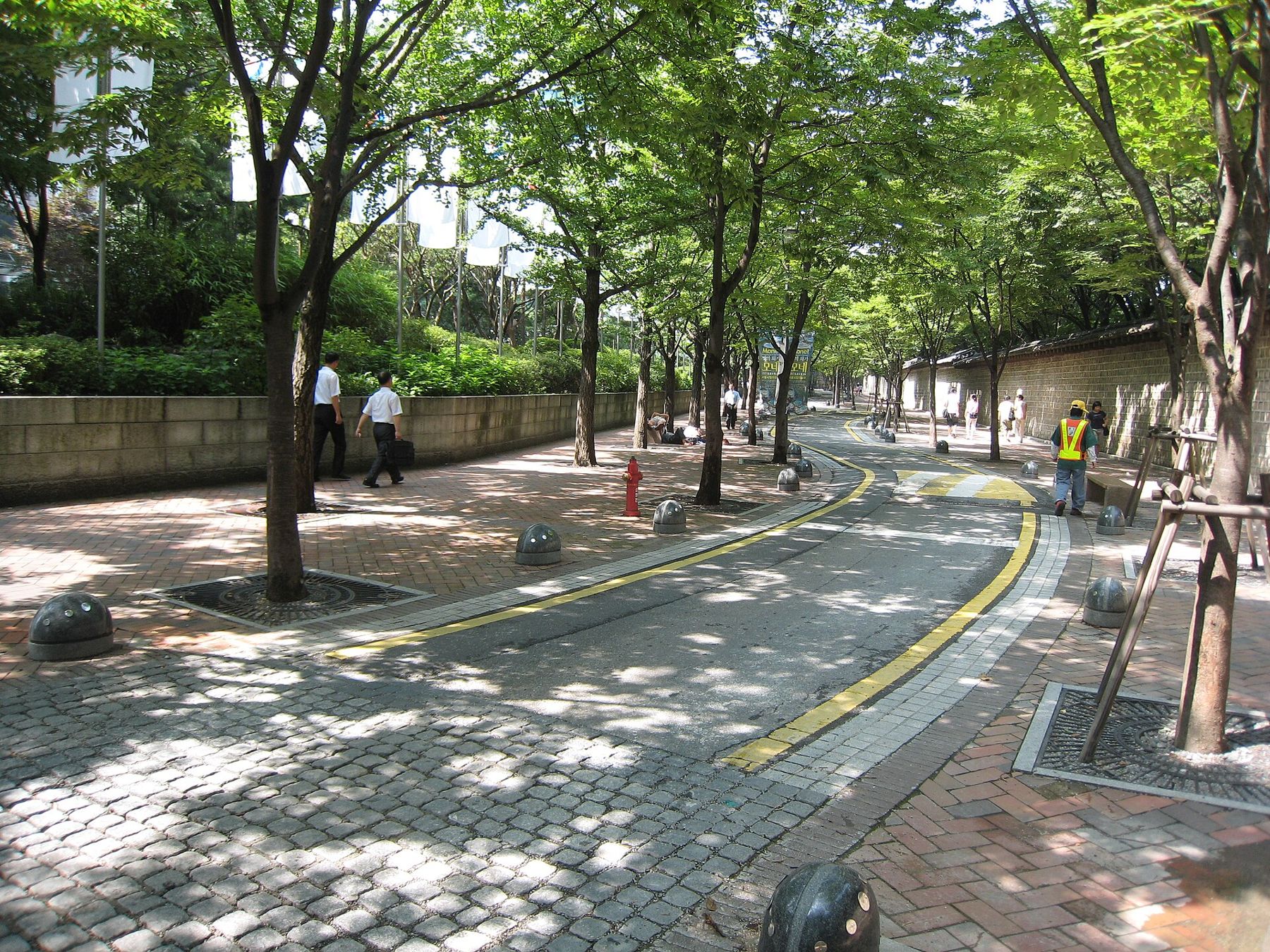
The Cheonggyecheon, a restored stream with walking paths below street level, runs east through the old centre and is pleasant on warm evenings, while the parks along the Han River draw people out at weekends.
Jongno and Bukchon: palaces and old lanes
Jongno is the historic centre north of the river, home to the palaces of Gyeongbokgung and Changdeokgung, the shrine of Jongmyo, and the shopping street of Insadong with its tea houses and craft shops. Bukchon Hanok Village, between the two main palaces, is a hillside of traditional tiled houses on steep lanes.
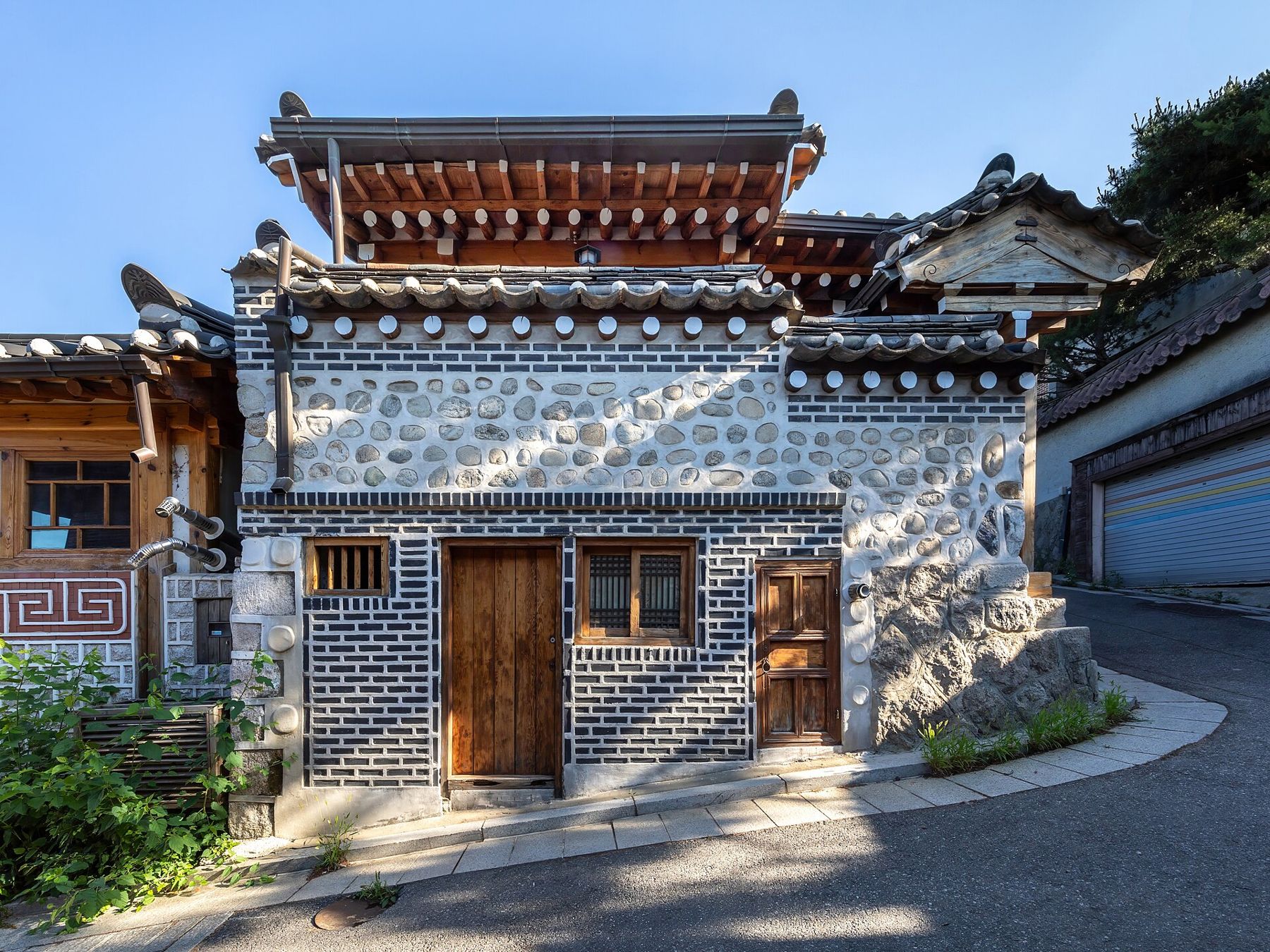
Staying here puts the palaces and older quarters on your doorstep. Line 3 runs through it, with stations such as Gyeongbokgung and Anguk, and lines 1 and 5 cross the area further south. A traditional hanok guesthouse can be a memorable stay, though rooms are often small, with bedding on the floor, and some are up steep lanes. People live in Bukchon's houses, and parts of the area now limit visiting hours, so keep voices low and check the current rules before you go.
The trade-off is nightlife: Jongno is lively in the early evening around its markets and older eating streets but quieter late at night than Hongdae or Gangnam.
Myeongdong: central and busy
Myeongdong is a compact shopping district just south of Jongno, packed with cosmetics shops, fashion stores and, in the evening, street food stalls. It sits at the foot of Namsan, the hill topped by N Seoul Tower, which you can climb on foot or reach by cable car.
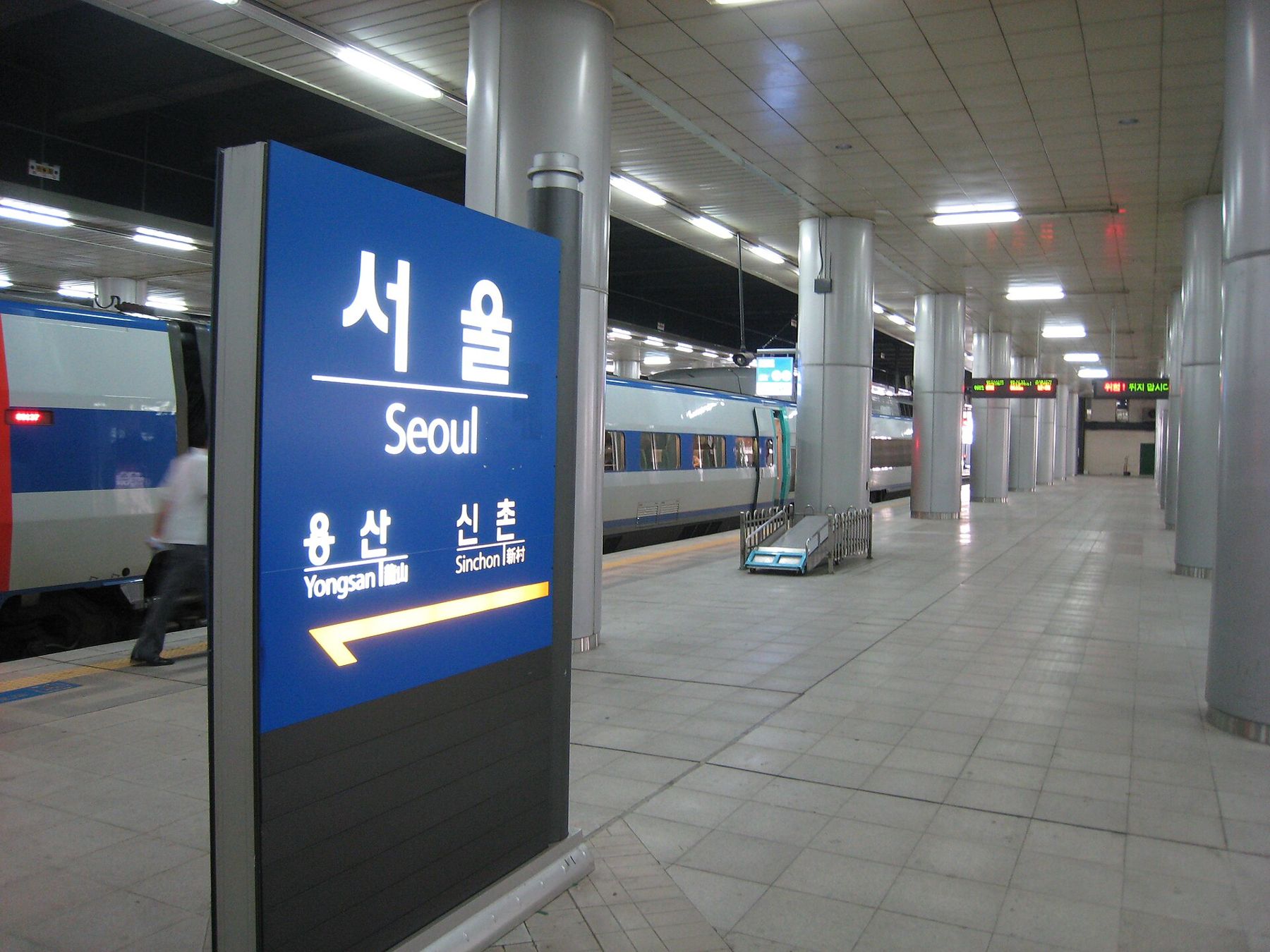
Its biggest advantage is position. Myeongdong station on line 4 is a couple of stops from Seoul Station, where the airport railway and the KTX high-speed trains arrive, and the palaces are a short ride or a long walk away. The trade-off is crowds: the main streets are very busy, and the area can feel commercial rather than residential. It suits a short first visit well. The large traditional market of Namdaemun is a short walk west, and the streets behind the main shopping lanes are calmer at night.
Change here forWhere to stay in TokyoThe Han lineHongdae: young and lively
Hongdae takes its name from Hongik University and is the city's best-known area for live music, street performers, clubs, small bars and independent shops. It is young, energetic and busy late into the night, especially at weekends.
Hongik University station is served by line 2, the Gyeongui-Jungang line and the airport railway, which makes it one of the easiest places to reach directly from Incheon. The trade-off is noise in the busiest streets and a longer ride to the palaces. Quieter streets lie a few blocks away, towards Yeonnam-dong and its linear park. Rooms usually cost less than in Myeongdong or Gangnam.
Hongdae is where Seoul goes out, and its streets show it.
Hongdae is where Seoul goes out, and its streets show it.
Gangnam and Seongsu: south and east
Gangnam, south of the river, is a district of wide avenues, office towers, department stores and shopping malls. It is modern and orderly, with plenty of places to eat and drink, and the big convention and shopping complex at COEX. Line 2 and the Sinbundang line serve it.
The trade-off for sightseers is distance. The palaces and old quarters are a long subway ride away, and the area has less historic character. Gangnam suits business travellers and anyone visiting for shopping, clinics or events in the south of the city.
Seongsu, east of the centre on the north bank, is a former area of small factories and workshops where warehouses have become cafés, galleries and design shops. Seoul Forest, a large park, is close by. Seongsu station on line 2 serves it. It is a good choice for repeat visitors who want a newer neighbourhood, with the trade-off of fewer major sights within walking distance.
Seongsu is busiest at weekends, when visitors queue for pop-up shops and new cafés, and quieter on weekday evenings. Many of its streets still hold working repair shops and small factories, so expect delivery vans and daytime noise, and check that your street is not right beside a busy workshop. Its position on line 2 makes a trip to Gangnam or across to Hongdae simple, and the riverside parks are close for cycling and walks.
Getting in and choosing
From Incheon airport, the AREX airport railway runs to Seoul Station, with a stop at Hongik University on the all-stop service, and limousine-style airport buses serve many districts. Gimpo airport, closer in, is on the airport railway and several subway lines. Check current routes and fares before you go.
- First visit, history: Jongno or Bukchon.
- Short stay, central and practical: Myeongdong.
- Nightlife and direct airport trains: Hongdae.
- Business and shopping: Gangnam.
- A newer neighbourhood on a return trip: Seongsu.
If you are combining Seoul with Japan, the same approach is used in where to stay in Tokyo. For the trade-offs of a room next to Seoul Station, read near the station or in the old centre.