The Americas New York
Where to stay in New York City
New York rewards a base near the right subway lines more than one near a famous view. Five areas compared, from Midtown to Long Island City, with honest trade-offs on noise, space and travel time.
- First time here
- Midtown, close to a station with several lines: most first-trip sights are a walk or one ride away, and getting back late is simple.
- From the airport
- AirTrain from JFK, then subway or LIRR
- Best months
- May, June, September, October
- Getting there
- JFK, Newark or LaGuardia airports
- Pack
- Comfortable shoes and a contactless card for the subway
New York is a city where the subway map matters more than the street map. Two places a mile apart can be a single ride or two changes from each other, and a quiet street can sit right above an express station. So the first question is not which neighbourhood sounds best but which lines run near your door, and how they connect with what you want to see. Five areas cover most choices, three in Manhattan and two across the East River.
Midtown: everything close, little of it calm
Midtown runs roughly from the 30s to the high 50s, between the rivers. Times Square, Rockefeller Center, Grand Central, Penn Station, the theatre district, the big department stores and the southern edge of Central Park are all here or nearby. More subway lines pass through Midtown than anywhere else, so almost any part of the city is one ride or a single change away.
That convenience comes with noise, crowds and traffic, especially around Times Square, where the streets stay busy late into the night. Rooms tend to be compact for what they cost. The blocks east of Fifth Avenue, around Murray Hill, and the far west side tend to be calmer than the core, and a room on a high floor or at the back of a building makes a real difference to sleep. Midtown is the simplest base for a first trip with a full list of sights.
Lower Manhattan: history, harbour and quiet weekends
The southern tip of the island holds the oldest street pattern in the city, the Financial District, the World Trade Center site and memorial, Battery Park and the ferries to the Statue of Liberty and Staten Island. Brooklyn Bridge starts nearby, and the riverside paths along the Hudson make easy walking. Many lines meet at the large stations here, which link fast to Brooklyn and up the east and west sides of Manhattan.
The character changes with the clock. Weekdays bring office crowds; evenings and weekends can be very quiet on some streets, which suits light sleepers and families but disappoints anyone hoping to step out into a lively night. The area has become far more residential in recent years, with more places to eat than it once had. It works well if you like walking by the water and want an easy hop to Brooklyn.
Upper West Side: brownstones and two parks
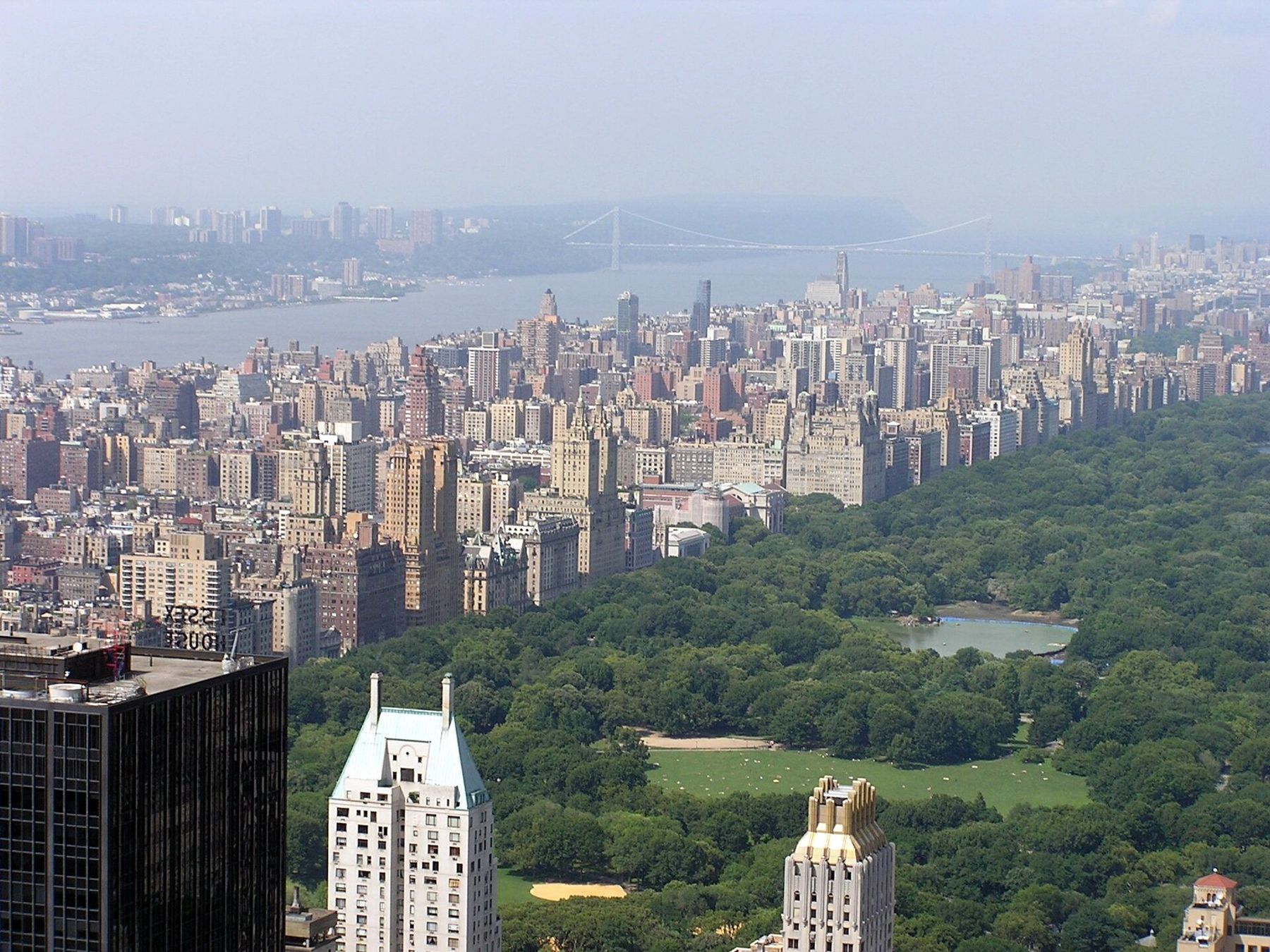
Between Central Park and the Hudson, from the low 60s to around 110th Street, the Upper West Side is mostly residential: brownstone side streets, prewar apartment blocks and broad avenues. Lincoln Center sits at its southern end, the American Museum of Natural History by the park, and Riverside Park runs along the river. Buildings such as the Dakota on Central Park West show how grand some of the older apartment houses are.
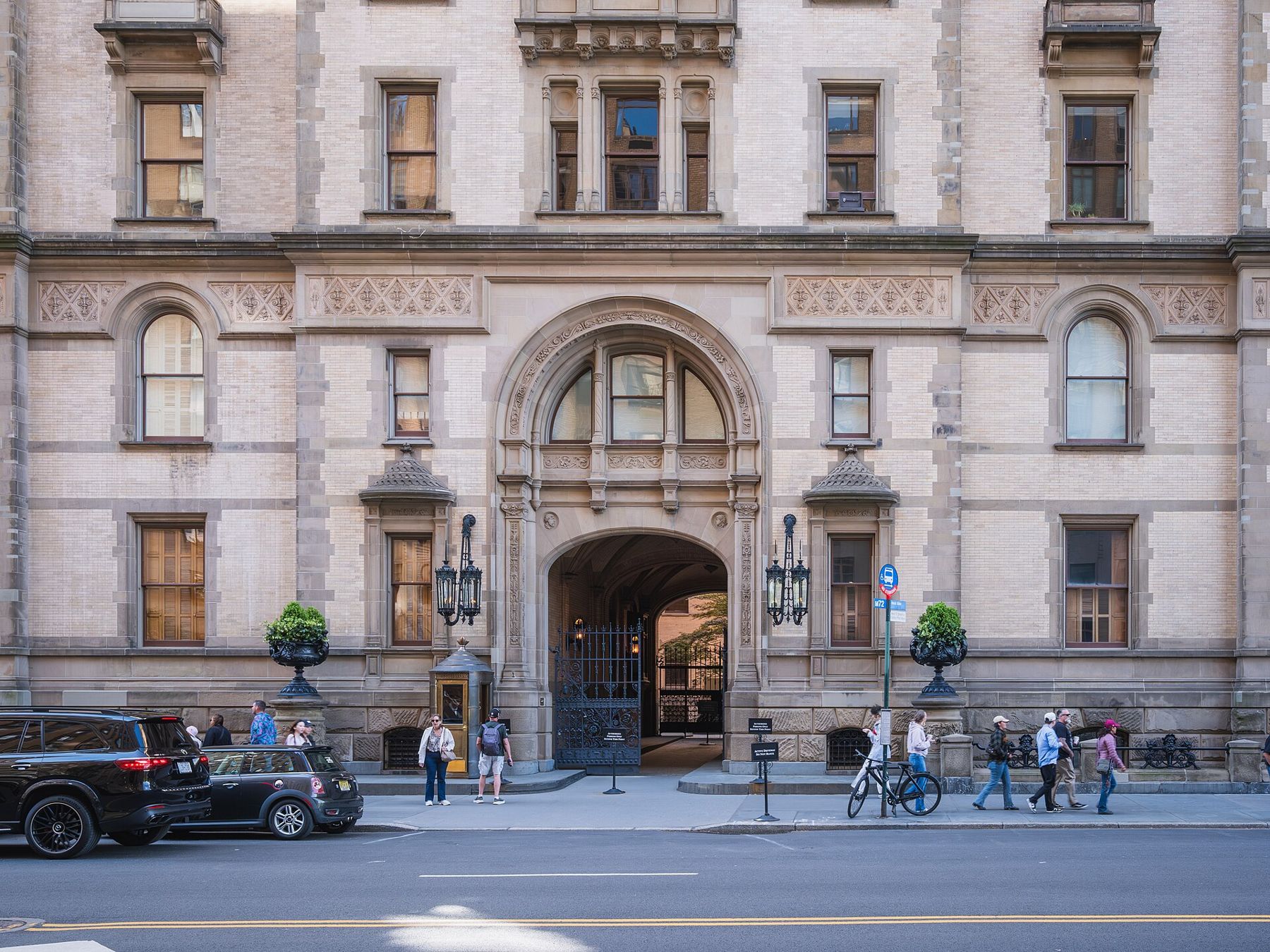
The 1, 2 and 3 trains run under Broadway and the B and C along Central Park West, so Midtown is a short ride away, while Lower Manhattan or Brooklyn takes longer. Evenings are calmer and more local than in Midtown, with neighbourhood restaurants rather than late crowds. Families, return visitors and anyone who likes morning runs in the park tend to be happiest here. The trade-off is distance from downtown and from the east side, and fewer late-night options.
Across the river: Williamsburg and Long Island City
Staying outside Manhattan is not a compromise in New York if you choose the right spot. Two neighbourhoods just across the East River stand out.
Williamsburg
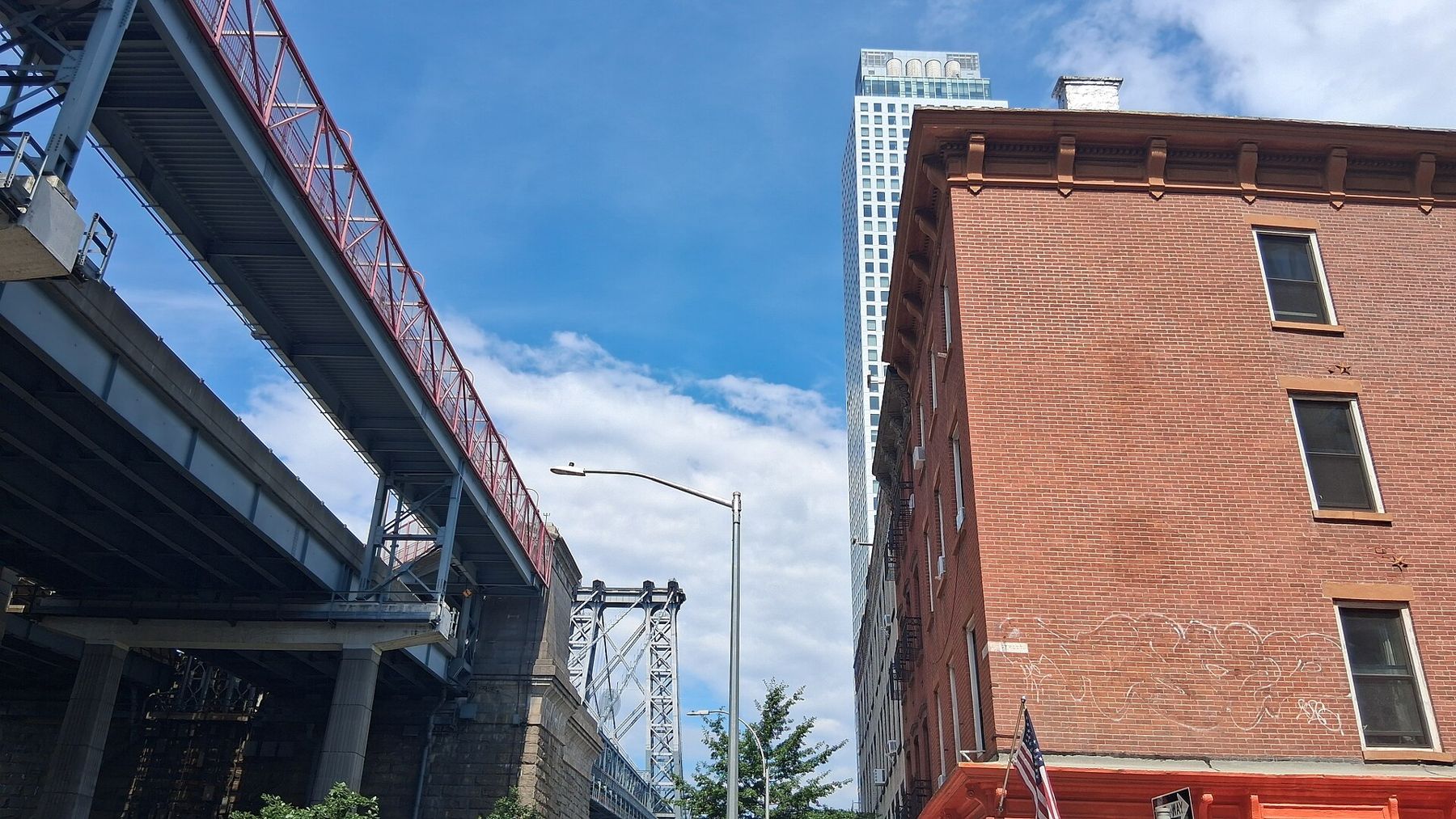
Williamsburg, in north Brooklyn, mixes old warehouses, low brick tenements and new towers along the waterfront. It is known for its food, music venues, independent shops and weekend markets, and the waterfront parks look straight across at Midtown. The L train links Bedford Avenue to the Manhattan avenues and 14th Street in a few stops; the J, M and Z cross the Williamsburg Bridge to the Lower East Side, and city ferries stop on the waterfront.
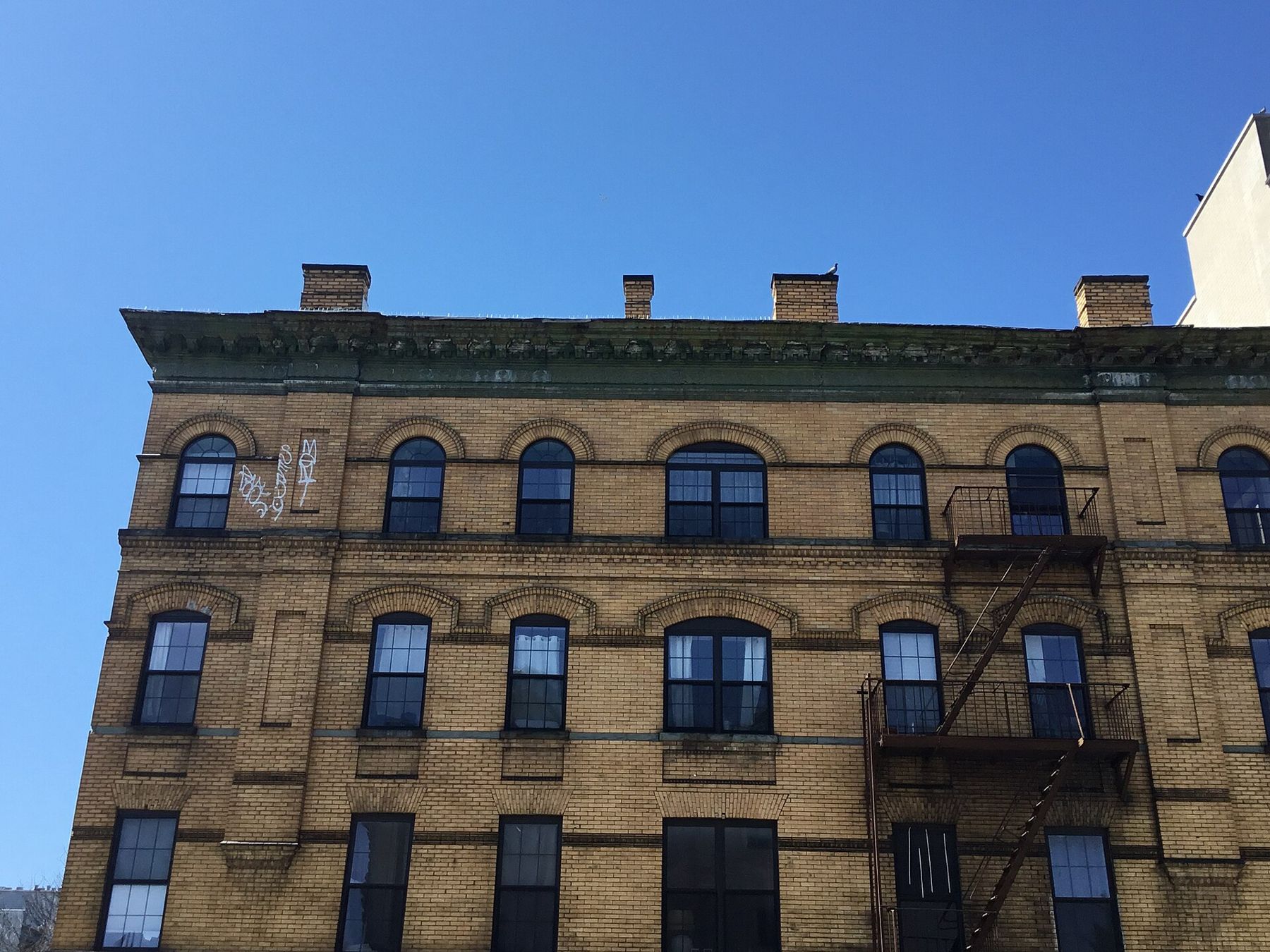
Williamsburg is lively at night and at weekends, which is the appeal and the drawback. Streets near the main bars stay loud late. Rooms tend to be larger than in Midtown for similar budgets, and the neighbourhood feels like a place where people live rather than a district built for visitors. It suits younger travellers, return visitors and anyone who wants evenings that do not depend on Manhattan.
Long Island City
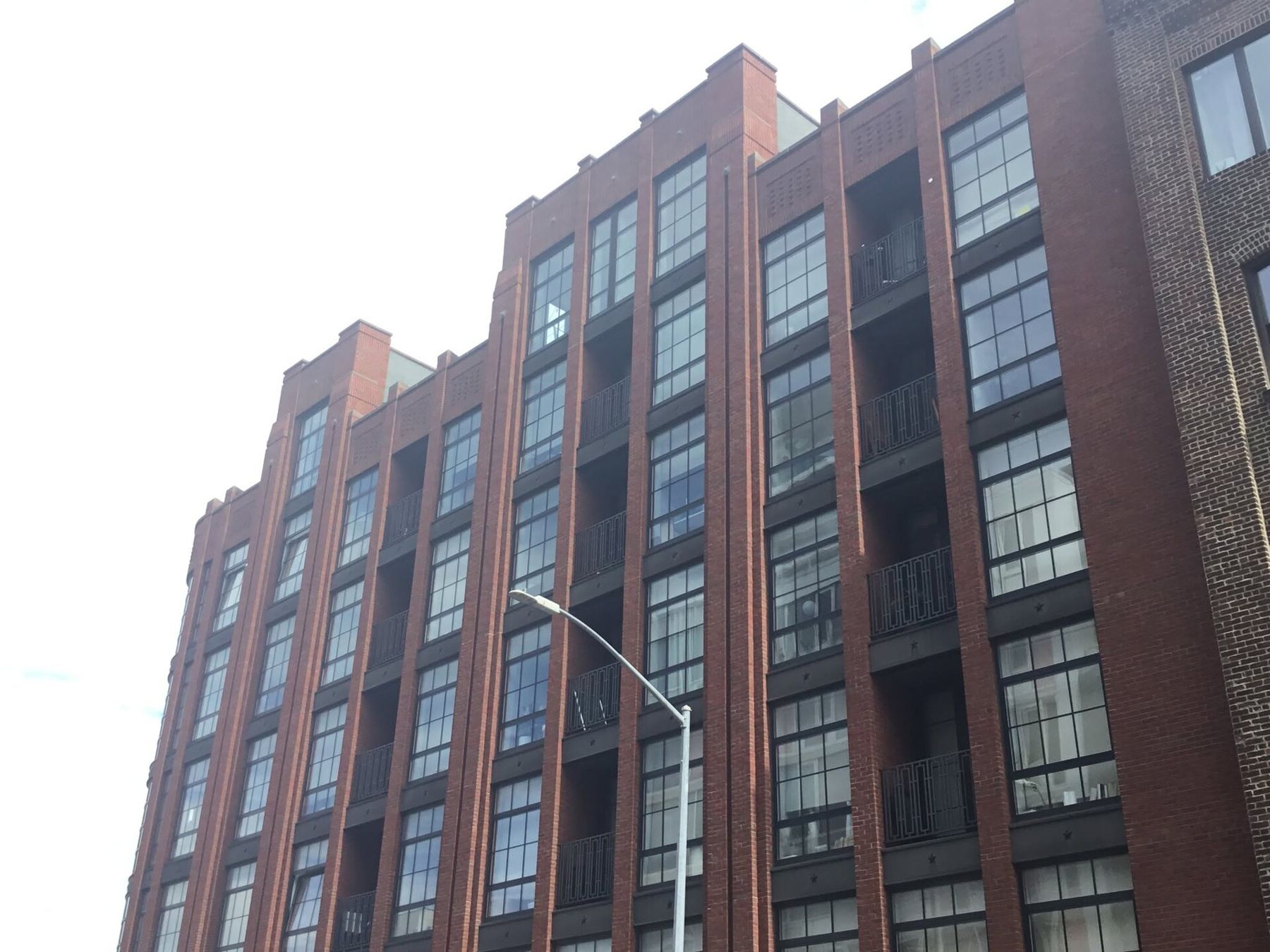
Long Island City, in Queens, sits directly opposite Midtown East. The 7, E, M and N and W trains reach Manhattan in one or two stops, making it one of the quickest commutes to Midtown from anywhere in the city. Gantry Plaza State Park and the Hunters Point waterfront have some of the best skyline views in New York, and the area has a growing arts scene.
It is newer and more residential than Williamsburg, with many glass towers and fewer late-night streets. Evenings are quiet. For travellers who want to spend days in Manhattan and sleep somewhere calmer, it is a practical choice. It is also closer to LaGuardia than most of Manhattan.
Getting in, getting around, staying safe
From JFK, the AirTrain links the terminals to Jamaica, where you can change to the subway or the Long Island Rail Road into Manhattan, or to the A train at Howard Beach. From Newark, the AirTrain connects to trains into Penn Station. LaGuardia is served by buses that connect to the subway. Taxis and car services run from all three. Routes and connections change, so check before you go.
The subway runs around the clock, though some lines run differently at night and at weekends, when engineering works can reroute trains. Tap in with a contactless card or phone. Walking is the other half of New York transport: many visitors cover more ground on foot than they expect, so a base within walking distance of two or three lines gives you options when one is disrupted. If you are comparing it with another big city, the guide to where to stay in London weighs a similar trade-off between central and outer areas.
Safety in all five areas is broadly a matter of ordinary city sense: watch your phone and bag in crowded stations and on busy platforms, and choose a lit, busy route late at night. Before booking, the guide on how to read a neighbourhood shows how to check a block for noise, construction and late transport.
Quick picks
- First visit, packed itinerary: Midtown, near a station with several lines.
- Quiet nights, water and history: Lower Manhattan.
- Parks, museums and a local feel: the Upper West Side.
- Food and nightlife on the doorstep: Williamsburg.
- Fast to Midtown, calm in the evening: Long Island City.
So the first question is not which neighbourhood sounds best but which lines run near your door, and how they connect with what you want to see.