Europe Paris
Choosing an arrondissement in Paris
Paris is dense, flat in most places and laced with metro lines, so the choice is about mood. Here is how the Marais, Left Bank, Montmartre and the canal compare.
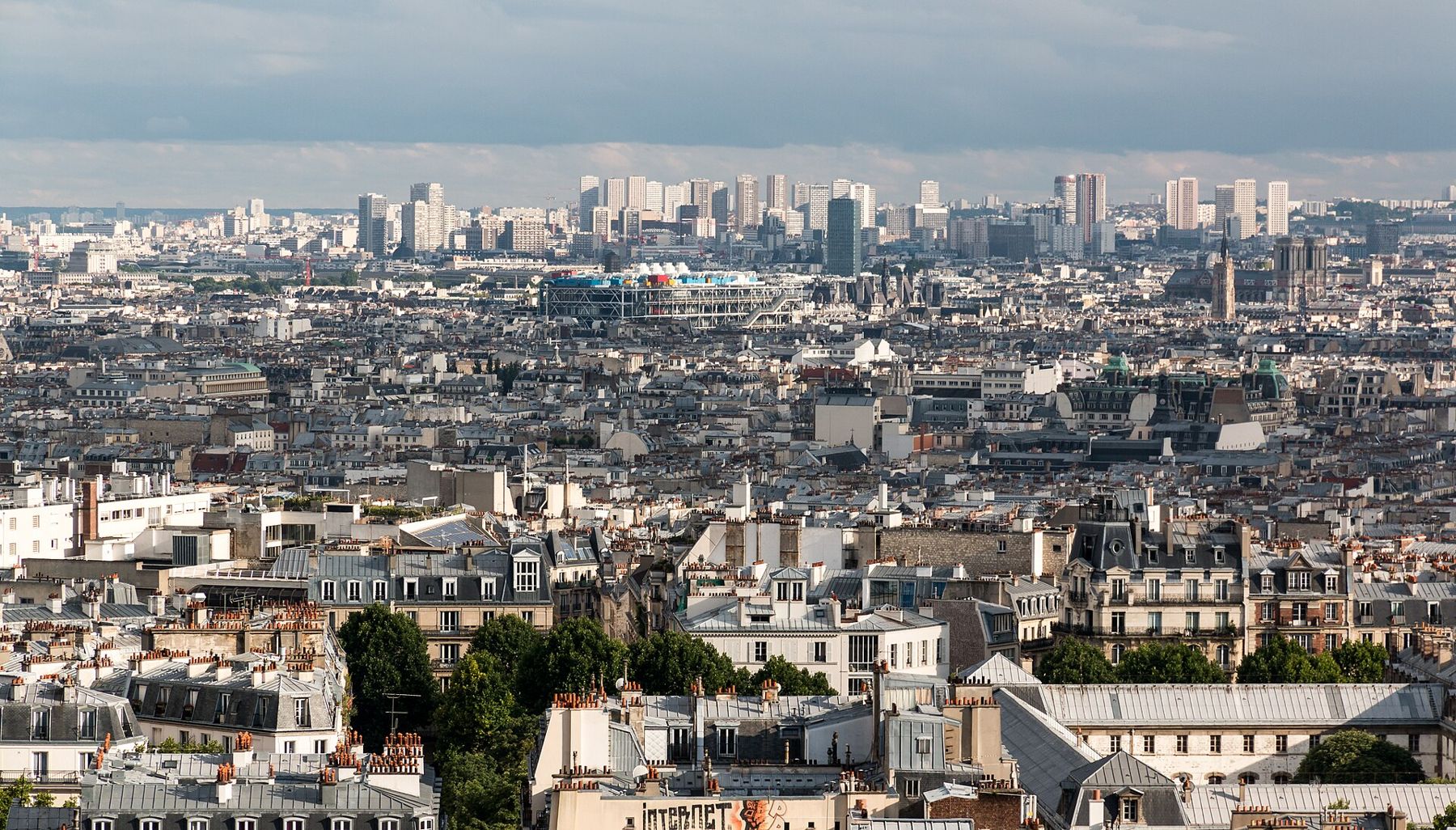
- First time here
- The Marais: central, mostly flat, served by several metro lines, and within walking distance of Notre-Dame, the Louvre and the islands in the Seine.
- From the airport
- RER B train from Charles de Gaulle
- Best months
- Late spring and early autumn
- Getting there
- Fly in, or train to Gare du Nord
- Pack
- Comfortable shoes and a light rain jacket
Paris is divided into twenty arrondissements that spiral clockwise out from the centre, like a snail shell. The low numbers sit around the Seine and the islands, and the high numbers lie towards the edge of the city. The Right Bank is north of the river and the Left Bank south of it. Because the metro is dense, almost anywhere inside the city is workable, so the question is less about access and more about how you want your evenings to feel.
The city is mostly flat, with one big exception: the hill of Montmartre in the north. Here is how five popular quarters compare.
Le Marais: central and lively
The Marais spans the 3rd and 4th arrondissements on the Right Bank. It is one of the oldest parts of Paris, with aristocratic mansions, the arcaded Place des Vosges, the historic Jewish quarter around Rue des Rosiers, museums and many small galleries and shops. It is flat and central: Notre-Dame and the islands are a short walk south, and the Louvre is within reach on foot.
Metro stations such as Saint-Paul on line 1 and others on lines 8 and 11 serve it, and line 1 runs straight to the Louvre and the Champs-Élysées. The trade-offs are crowds and cost. Streets are busy at weekends, when many shops here stay open on Sundays, and rooms usually cost more than in outer districts. Some streets have bars that keep going late, so ask about the room's position.
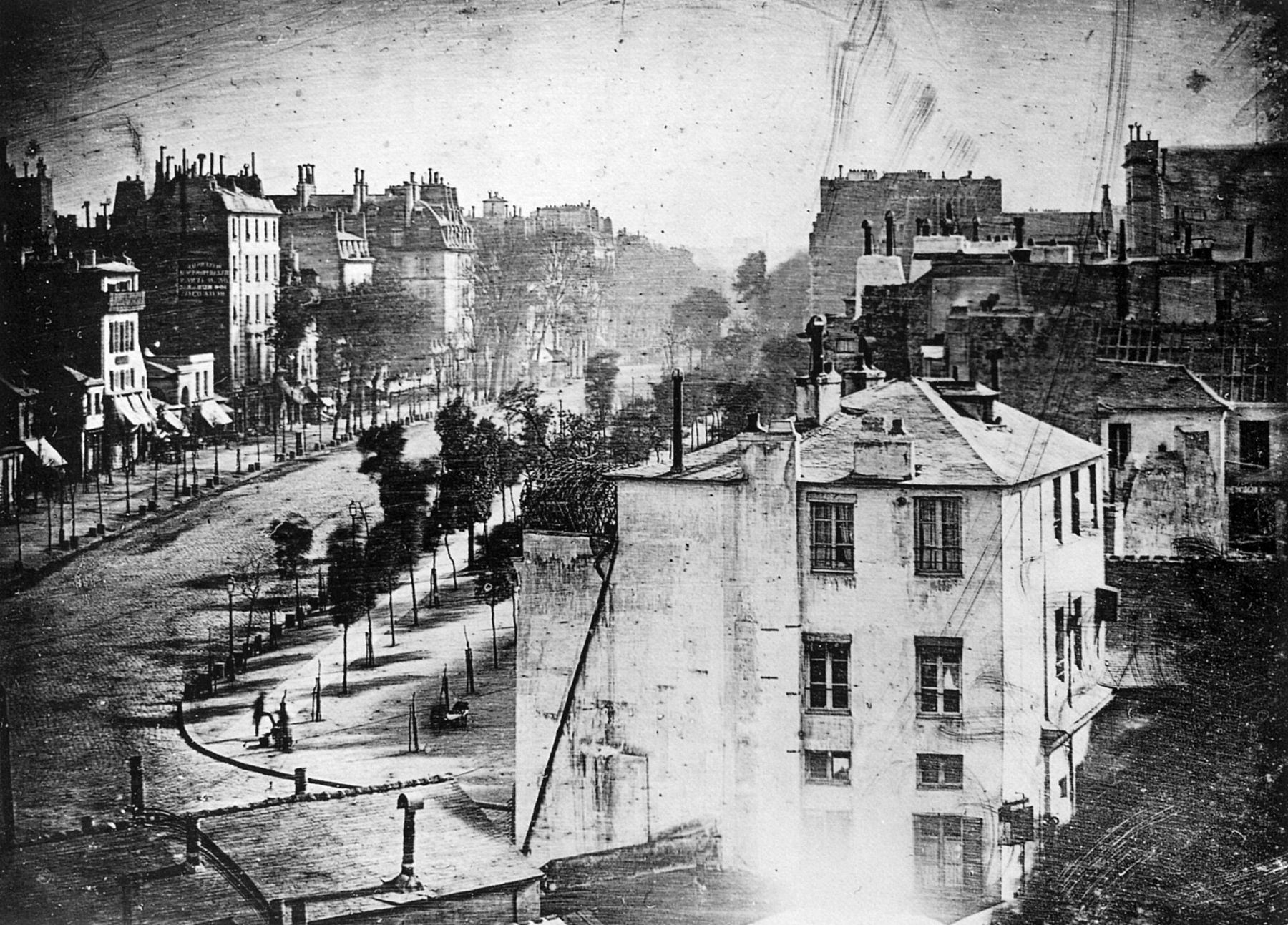
The Latin Quarter and Saint-Germain: the Left Bank
The Latin Quarter, in the 5th arrondissement, is the old university district around the Sorbonne and the Panthéon. It has bookshops, cinemas, cheaper places to eat near the river and a student energy that keeps some streets busy at night. Saint-Michel is a major interchange where line 4 meets the RER B and C, which makes the airport trip easy. The streets closest to the river are the busiest; further up the slope towards the Panthéon they are calmer.
Saint-Germain-des-Prés, in the 6th, is the Left Bank's polished side: old cafés, galleries, fashion boutiques and the Luxembourg Gardens on its southern edge. It usually costs more than the Latin Quarter, and evenings are elegant rather than loud. Line 4 runs through it, with stations at Saint-Germain-des-Prés and Odéon.
Both suit travellers who like to walk: the Louvre is across the river, and the Musée d'Orsay sits on the Left Bank to the west. The Left Bank also has a reputation for being a little calmer than the busiest parts of the Right Bank in the evening, with long walks along the quays and through the Luxembourg Gardens. Rooms in old buildings here can be compact, and many have narrow lifts or none, so check before you choose if you travel with large bags.
Change here forWhere to stay in London without overpaying in timeThe Tagus lineMontmartre: the hill
Montmartre, in the 18th arrondissement, sits on the highest hill in the city, crowned by the white basilica of Sacré-Cœur. Its upper streets keep a village feel, with steps, small squares and wide views over the rooftops. Mornings, before the day visitors climb up, are the best time.
Montmartre gives you the best views in Paris and the longest walk home.
Montmartre gives you the best views in Paris and the longest walk home.
The stairs are real, and some streets are steep enough to make a suitcase hard work. The Abbesses station on line 12 is very deep, with a long climb to the surface, and Anvers on line 2 sits at the foot of the hill near the funicular. The main sights are a metro ride away. At the bottom of the hill, the boulevards around Pigalle are busy with late bars and clubs, which some visitors like and others prefer to avoid. Rooms here often cost less than in the central arrondissements.
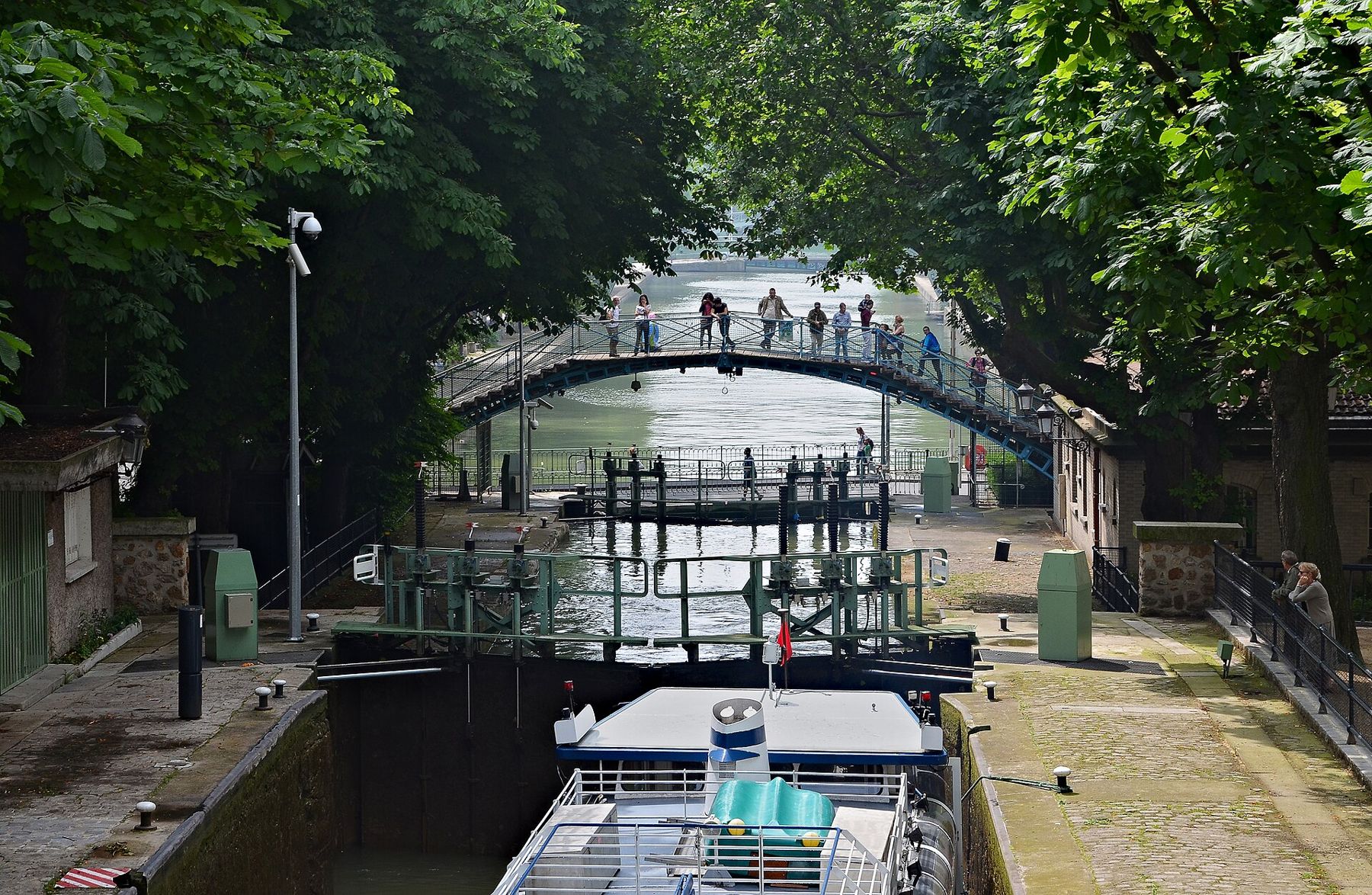
Canal Saint-Martin: the neighbourhood option
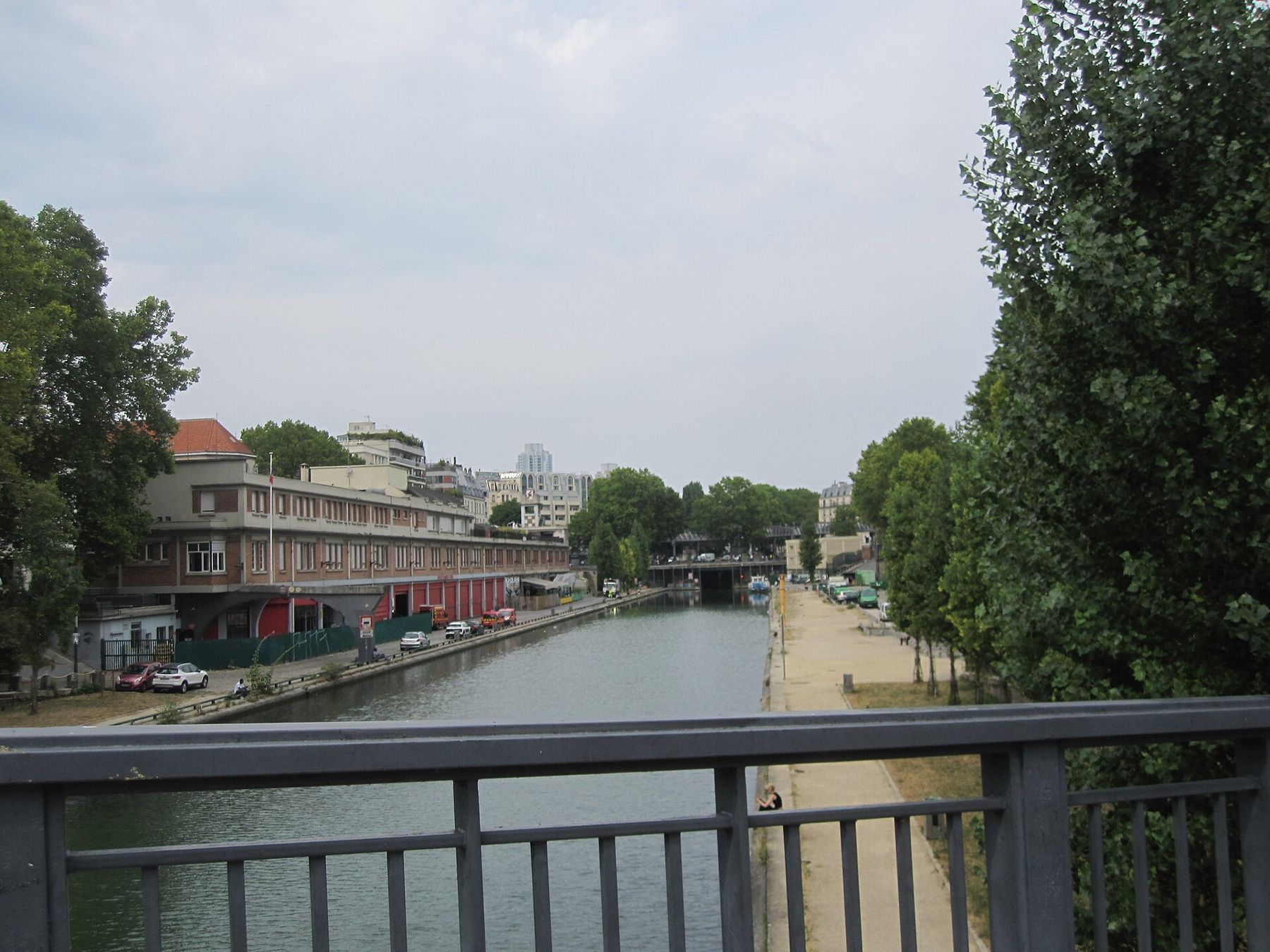
The Canal Saint-Martin runs through the 10th arrondissement, with locks, iron footbridges and tree-lined quays. The area around it is younger and more local, with independent cafés, bakeries and bars, and on warm evenings people sit along the water. It is close to the Gare du Nord and the Gare de l'Est, which helps with trains to London, Brussels and eastern France.
République, a large interchange served by several lines, sits at its southern end, and Jacques Bonsergent on line 5 is close to the water. The trade-off is distance from the classic sights, which are a metro ride away, and some blocks near the big stations feel busy and less polished. It suits repeat visitors, longer stays and anyone who wants to see how Parisians spend an evening.
Other areas worth a look
The 7th arrondissement, around the Eiffel Tower and the Invalides, is elegant, residential and very quiet at night. It suits families and travellers who want broad avenues and calm streets, and the RER C runs along the river, with metro lines 8 and 13 inland. The trade-offs are cost, since it usually costs more, and a sleepy evening scene: many streets have few places open late.
The streets around the Opéra and the big department stores, in the 9th, are central, flat and full of metro lines, with the Gare Saint-Lazare close by. They are busy by day with shoppers and office workers and quieter in the evening. This is a practical base for a short stay focused on shopping and the Louvre, though it has less neighbourhood life than the Marais.
East of the Marais, the 11th arrondissement, around Bastille and Oberkampf, is livelier and usually costs less. It is full of bars and small restaurants, which makes some streets loud late at night, but it is well served by lines 1, 5, 8 and 9 and an easy walk from the Marais.
Getting in and choosing
From Charles de Gaulle airport, the RER B train runs to the Gare du Nord, Châtelet and Saint-Michel, and buses and taxis also make the trip. From Orly, metro line 14 now runs into the city. Check fares and any engineering work before you travel.
- First visit: the Marais, or the Latin Quarter if you prefer the Left Bank.
- Polished and calm: Saint-Germain.
- Views and village streets: Montmartre, if you can manage the stairs.
- Local evenings, trains north: Canal Saint-Martin.
If you arrive by train and are tempted by a room near the Gare du Nord, the trade-offs in near the station or in the old centre are worth a read. For your next trip, the same method is used in where to stay in Rome and Prague.