Europe Prague
Where to stay in Prague
Prague's old centre is small and crowded, and its best residential quarters are a short tram ride away. Here is how the Old Town, Malá Strana, Vinohrady and Karlín compare.
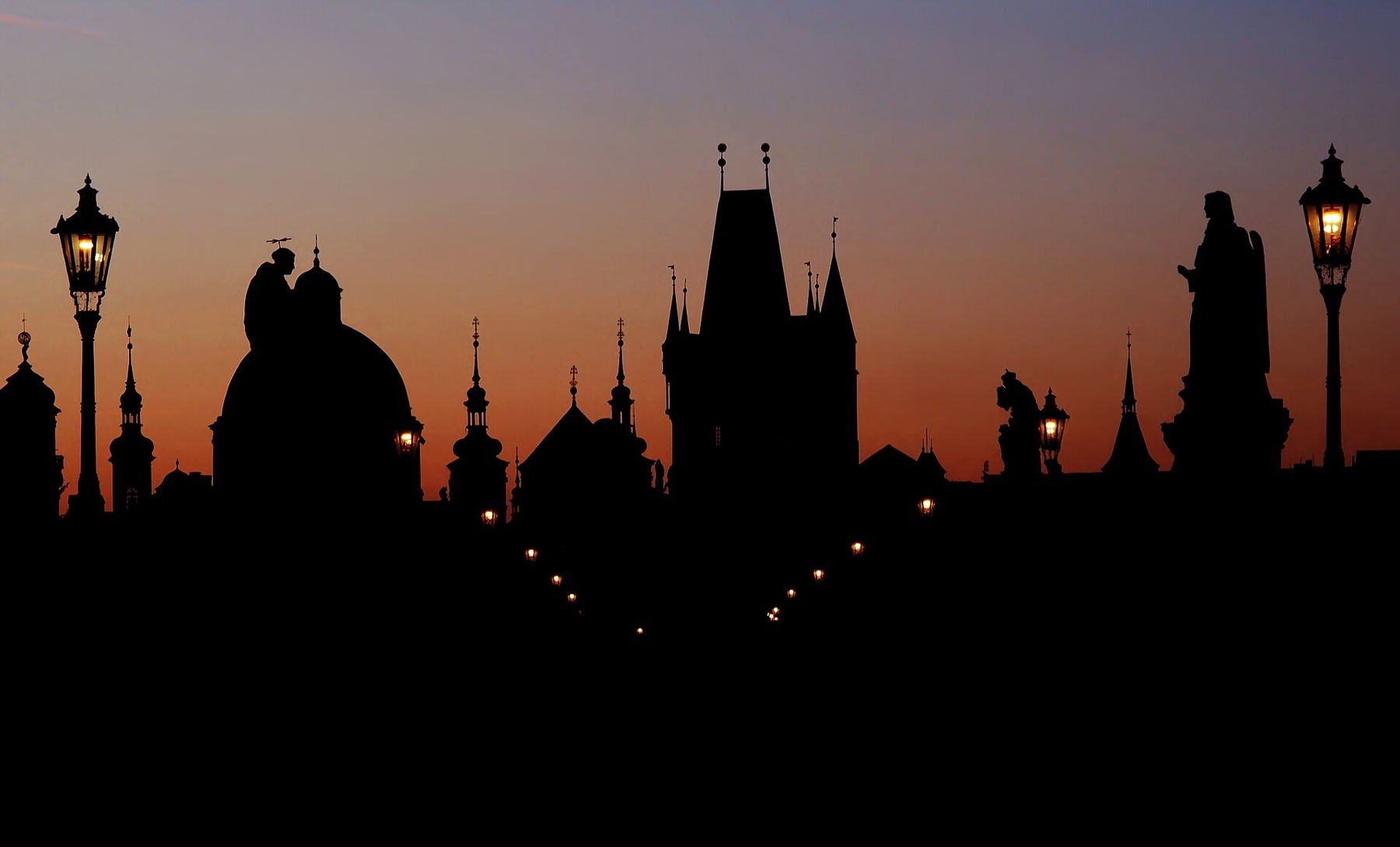
- First time here
- The Old Town, a few streets back from the main square: you can walk to Charles Bridge and the castle side, and metro lines run from its edges.
- From the airport
- Bus to metro line A
- Best months
- May, June and September
- Getting there
- Fly into Prague, or train from Vienna
- Pack
- Shoes for cobbles and hills, and warm layers
Prague is compact, and its historic centre can be crossed on foot in well under an hour. The river Vltava divides it: the Old Town and New Town sit on the east bank, and Malá Strana lies on the west bank beneath Prague Castle, joined by the Charles Bridge. Beyond the centre, residential districts such as Vinohrady and Karlín offer a quieter base with good tram links.
Trams are the real backbone of the city, backed by three metro lines, A, B and C. Here is how four areas compare.
How Prague fits together
The main sights cluster in a narrow strip: the Old Town Square and its astronomical clock, the Charles Bridge, Malá Strana and the castle on the hill above it. The New Town, with Wenceslas Square and the main station, lies just south and east of the Old Town. Vinohrady sits on higher ground east of the New Town, and Karlín lies along the river to the north-east.
Distances are short, but the castle side is uphill, and cobbles are hard on wheeled bags. The crowds in the oldest streets can also be dense in summer and around Christmas markets, so a base a little outside them is often more pleasant.
Old Town: in the middle of it
The Old Town, Staré Město, is a maze of lanes, churches and courtyards around the Old Town Square. Staying here puts nearly every sight within walking distance, which is ideal for a short first visit. Staroměstská on line A and Můstek on lines A and B sit at its edges.
The trade-offs are crowds, noise and cost. The streets between the square and the bridge are packed by day, and some streets stay loud late at night, especially at weekends when groups are out. Rooms usually cost more, and many are in old buildings with stairs. A room a few lanes back from the main routes is usually far calmer. The old Jewish quarter of Josefov, on the northern side of the Old Town, has wider streets and grander buildings, and feels a little more orderly.
Malá Strana: under the castle
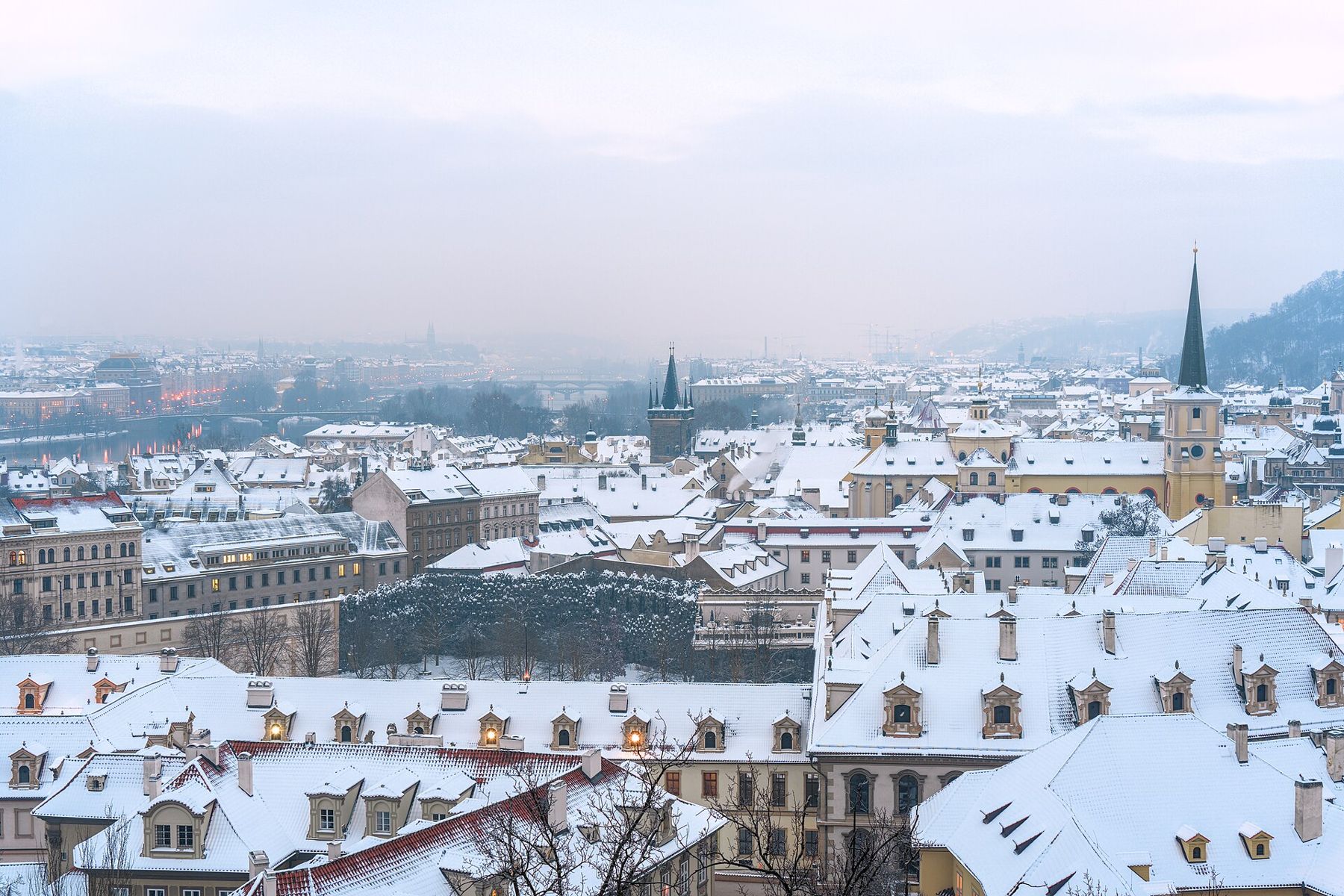
Malá Strana, the Lesser Town, climbs from the river towards the castle, with Baroque palaces, gardens, churches and steep, cobbled streets. It is one of the most beautiful parts of the city and much quieter in the evening once the day crowds have crossed back over the bridge.
Change here forChoosing an arrondissement in ParisThe Tagus lineThe trade-off is the hill. Walking up to the castle is steep, and some streets are hard work with luggage. Malostranská station on line A sits at the northern edge of the quarter, and trams run along the main street through it and up towards the castle. Rooms here usually cost more, and there are fewer everyday shops than on the other bank.
Vinohrady: residential and green
Vinohrady is a residential district east of the centre, with tall apartment buildings from around 1900, tree-lined streets, parks and plenty of cafés, wine bars and local restaurants. It feels like a city where people live, not just a place they visit. Riegrovy sady, one of its parks, has a view over the city to the castle.
Náměstí Míru and Jiřího z Poděbrad on line A serve the district, and trams run down into the New Town. From Náměstí Míru you are a few minutes from the centre by metro, or a walk of about twenty to thirty minutes. Rooms usually cost less than in the Old Town, and nights are quieter. Some streets are sloping, and the district is large, so check how far your street is from a stop.
Vinohrady also has neighbourhood markets, a broad square in front of the church on Náměstí Míru, and the neighbouring district of Žižkov, known for its pubs and its television tower. It is a good base for a stay of a week or more, when you want a kitchen, a local bakery and a park for a morning walk rather than the Old Town on your doorstep.
Karlín: rebuilt by the river
Karlín, north-east of the centre, is a former industrial district that was badly flooded in 2002 and rebuilt over the following years. Its grid of streets now mixes old apartment houses, converted factories and new offices, with cafés and restaurants that serve the people who live and work there.
Line B stops at Křižíkova and Florenc, which is also the main coach station, and trams run along the main streets. Karlín is flat and calm at night, which suits longer stays and travellers who arrive or leave by coach. The trade-off is that it feels less historic, and the main sights are a tram or metro ride away. The riverside paths and the river island nearby are pleasant for an evening walk, and the hill of Vítkov, with its large memorial and views, rises behind the district.
Getting in and choosing
From the airport, city buses run to metro stations on line A, and an airport express bus runs to the main station. Taxis and ride services are also available. Check current routes and fares before you go.
- Short first visit: the Old Town, a few lanes back from the square.
- Beauty and quiet evenings: Malá Strana, if you can manage hills.
- Local life and value: Vinohrady.
- Flat, calm and practical: Karlín.
If you are tempted by a room near the main station, read near the station or in the old centre first. For another city where hills shape the choice, see where to stay in Lisbon.