Europe Rome
Where to stay in Rome
In Rome the metro skirts the old centre, so your quarter decides how much you walk. Here is how the Centro Storico, Trastevere, Monti, Prati and Termini compare.
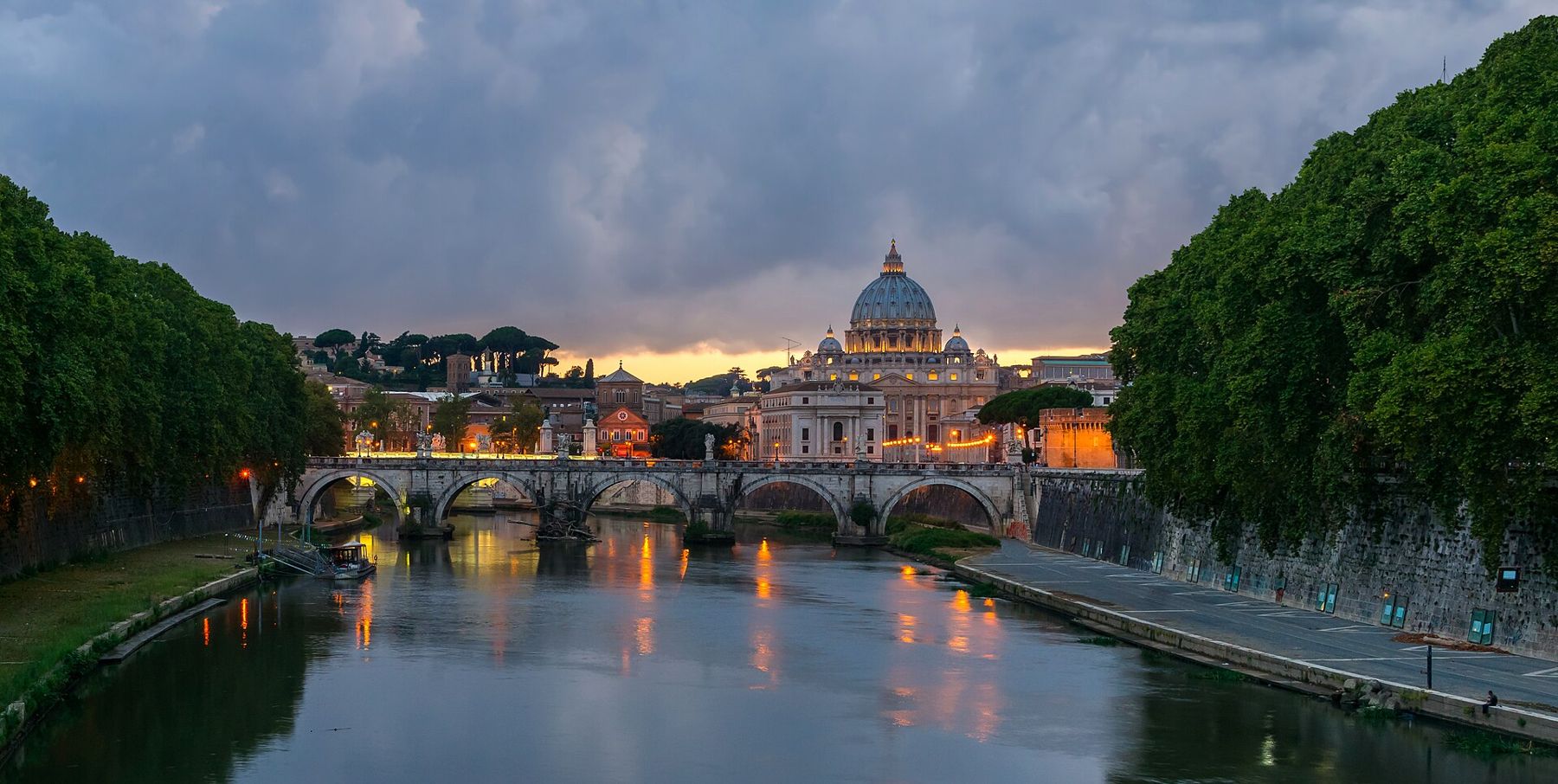
- First time here
- The Centro Storico, around the Pantheon and Piazza Navona: most of the famous sights are a walk away, and you will rarely need the metro at all.
- From the airport
- Airport express train to Termini
- Best months
- Spring and autumn
- Getting there
- Fly into Fiumicino, or train to Termini
- Pack
- Comfortable shoes and a scarf for church visits
Rome is a walking city with a metro that mostly goes around the parts you came to see. Line A and line B cross at Termini station and touch the edges of the historic centre, at stops such as Spagna, Barberini and Colosseo, but the dense heart around the Pantheon has no stations at all. Buses and trams fill the gaps. In practice, the quarter you choose decides how many kilometres you walk each day, and how far you are from dinner.
The river Tiber curves through the centre, with the historic core on its east bank and Trastevere and Prati on the west. Here is how five areas compare.
Centro Storico: the heart of it
The historic centre, around the Pantheon, Piazza Navona and Campo de' Fiori, is where many visitors picture themselves: cobbled streets, fountains, churches on every corner and the Trevi Fountain a short walk east. Staying here means you can walk to most of the famous sights, go back to rest in the afternoon heat and step out again in the evening.
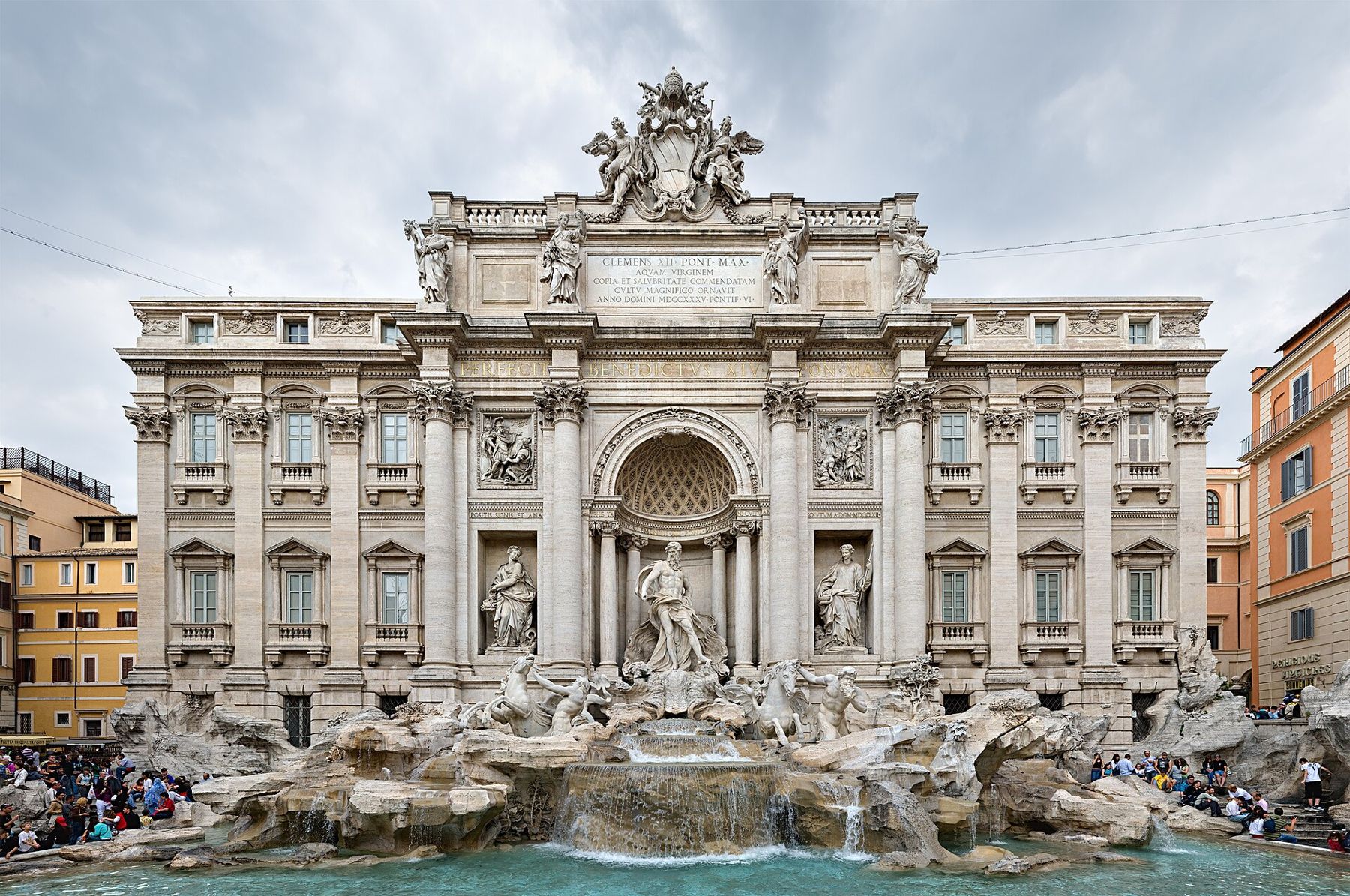
The trade-offs are price, crowds and noise. Rooms here usually cost more and are often smaller, in old buildings where lifts are not a given. Squares stay busy until late, and delivery vans and street cleaning start early, so a courtyard room is worth asking for. There is no metro on the doorstep, and taxis can be slow through the narrow streets.
The northern edge of the centre, around the Spanish Steps and the long straight streets that run towards Piazza del Popolo, is a slightly different choice. The streets are wider and more regular, the shopping is upmarket, and Spagna and Flaminio stations on line A are close, which makes day trips and the Vatican easier. It usually costs more again, and it empties of local life after the shops close, but it is a practical compromise between the old lanes and a metro line.
Wherever you stay in the centre, the public drinking fountains that run on street corners are a help on hot days, and churches ask for covered shoulders and knees, so a light scarf earns its place in your bag.
Trastevere: lively across the river
Trastevere, on the west bank of the Tiber, is a web of ivy-covered lanes, small piazzas and family-run places to eat. It is one of the most atmospheric quarters in the city by day and one of the liveliest by night. Crossing a bridge brings you to the Jewish Ghetto and Campo de' Fiori in a few minutes, and tram 8 links the area with the centre.
Trastevere is busiest in the evenings and at weekends, when the main streets and squares fill with diners and drinkers, so light sleepers should look at the quieter edges towards the Janiculum hill or the residential streets south of Viale di Trastevere. There is no metro station inside the quarter itself.
The other cost is walking. Most sights on the east bank are a twenty to forty minute walk away, which is pleasant on a cool morning and harder in July. Cobbles are uneven, and suitcases on wheels suffer.
Just south of Trastevere, Testaccio is worth a look for a longer or repeat stay. It is a working neighbourhood built around a covered market, flat and well connected, with Piramide station on line B and a strong local food culture. It has few headline sights of its own, which is exactly why it feels so lived-in, and rooms usually cost less than across the river.
Monti: close to the Colosseum
Monti lies between the Colosseum and Termini, an old quarter of sloping streets, small squares, independent shops and wine bars. It feels more lived-in than the Centro Storico and is within an easy walk of the Forum, the Colosseum and the main basilicas. Cavour station on line B is in the quarter, and Colosseo is close by.
Change here forChoosing an arrondissement in ParisThe Tagus lineMonti suits travellers who want a local feel without giving up a central position. It is lively in the evenings around its main square, though usually less hectic than Trastevere, and rooms often cost a little less than in the Centro Storico. Some streets are steep, and the busy roads at its edges, such as Via Cavour, carry heavy traffic.
Monti rewards anyone who likes to walk out of the door straight into old Rome.
Monti rewards anyone who likes to walk out of the door straight into old Rome.
Prati and near Termini: practical choices
Prati, north of the Vatican on the west bank, is a district of wide, straight streets and solid nineteenth-century apartment blocks. It feels orderly, quieter at night and more residential, with good everyday shopping and places to eat that serve locals as well as visitors. Ottaviano and Lepanto stations on line A connect it with Spagna and Termini, and St Peter's and the Vatican Museums are a short walk away. Crossing the river at Ponte Sant'Angelo brings you towards Piazza Navona on foot.
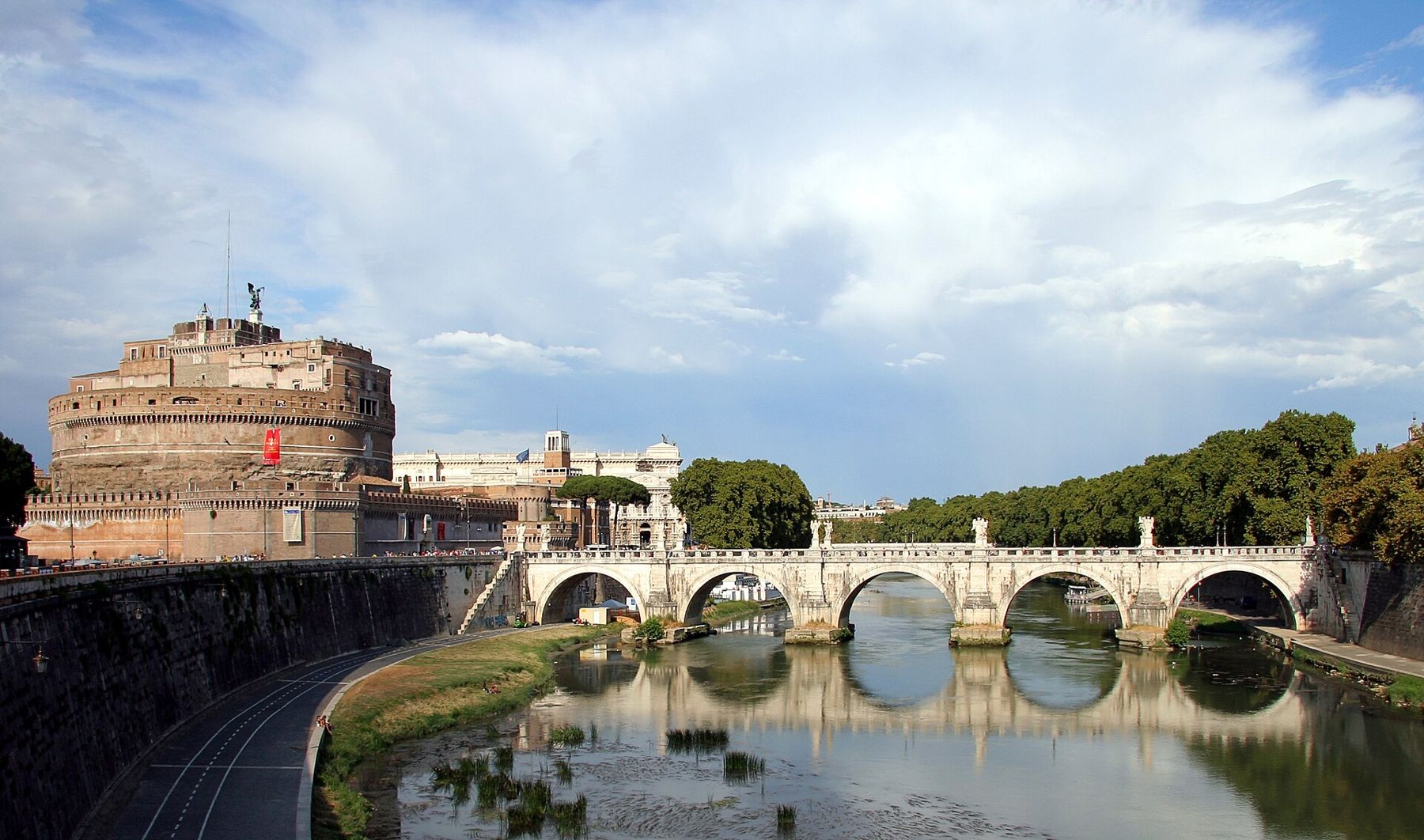
The trade-off is that evenings in Prati are calm, and the old centre is a fair walk or a metro ride away. Queues for the Vatican Museums and St Peter's start early, and being able to walk there before the crowds build is a real advantage. It suits families, longer stays and anyone who sleeps badly in noisy streets.
The streets near Termini are the most practical base for train travel and day trips. Both metro lines meet at the station, the airport train arrives there, and buses fan out in every direction. Rooms here usually cost less. The trade-off is atmosphere: the area around a big station is busy with traffic, and some streets feel less pleasant at night than the historic quarters. Look a few blocks away, towards Monti or the streets north-east of the station, for a calmer setting.
Getting in and choosing
From Fiumicino airport, an express train runs to Termini, and slower regional trains stop at other stations such as Trastevere. Buses also make the trip, and taxis charge a set fare to the centre. From Ciampino, buses connect with Termini and with the nearby metro. Check fares and services before you travel.
- First visit, short stay: the Centro Storico.
- Evenings out and atmosphere: Trastevere, choosing a quieter edge.
- Local feel near the ancient sites: Monti.
- Calm, families, the Vatican: Prati.
- Trains and day trips: near Termini, a few blocks out.
For the general trade-off between sleeping by the station and in the old streets, read near the station or in the old centre. If Rome is part of a longer trip, the same approach is used for where to stay in Barcelona and Lisbon.