How to choose Anywhere
Near the station or in the old centre?
In many cities the main station and the old centre sit a short ride apart, and travellers have to pick one. The trade-offs on luggage, airport links, day trips, evenings and atmosphere, and when each one wins.
- First time here
- The old centre, if the station is a short direct ride away: you wake among the sights and keep an easy route out on departure day.
- From the airport
- Look for a direct rail link
- Best months
- Any season
- Getting there
- By rail, or the airport link
- Pack
- Luggage with good wheels, or a backpack
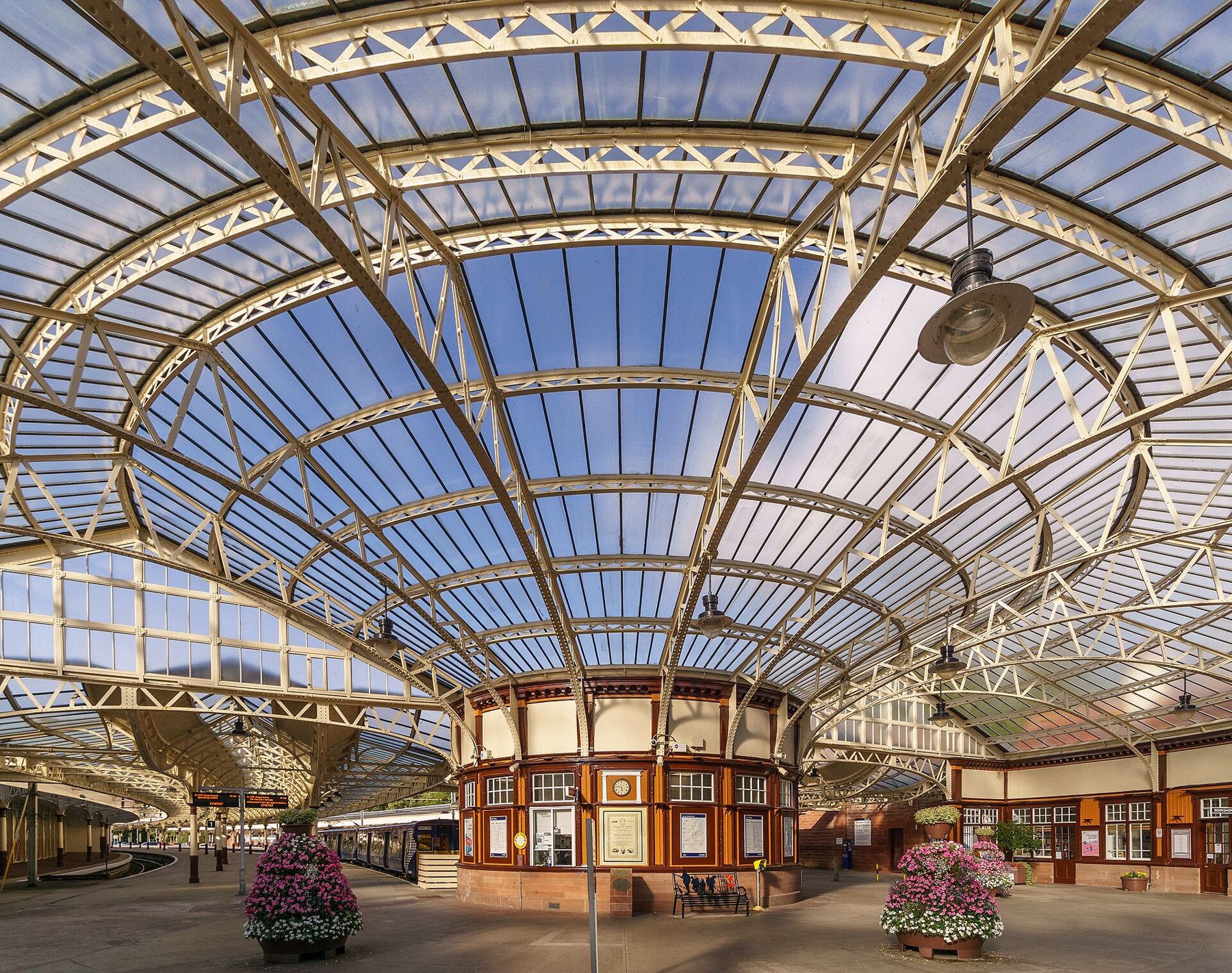
In many cities, the main railway station sits at the edge of the historic centre rather than in the middle of it. Often it was built where there was room in the nineteenth century, outside the old walls. That leaves travellers with a recurring choice: stay near the station for easy arrivals and departures, or in the old centre for atmosphere and walking. Neither is always right. This guide sets out how to decide.
The case for the station
The main station is usually the best-connected place in a city. Long-distance trains, airport links, local lines, buses and taxis all meet there, so getting in and out is simple. That counts for a lot in several situations:
- Short stays and early departures: a five-minute walk to the platform beats a ride across town with luggage.
- Day trips: if you plan to leave the city on several days, the station is your hub.
- Heavy luggage, children or limited mobility: less distance on old cobbles and fewer stairs.
- Late arrivals: you can be in your room soon after the train stops.
Station districts also tend to have the widest range of places to stay and sometimes cost less than the old centre. Kyoto is a good example: its station area is the hub for day trips and the airport express, as the guide to where to stay in Kyoto explains.
The case against it
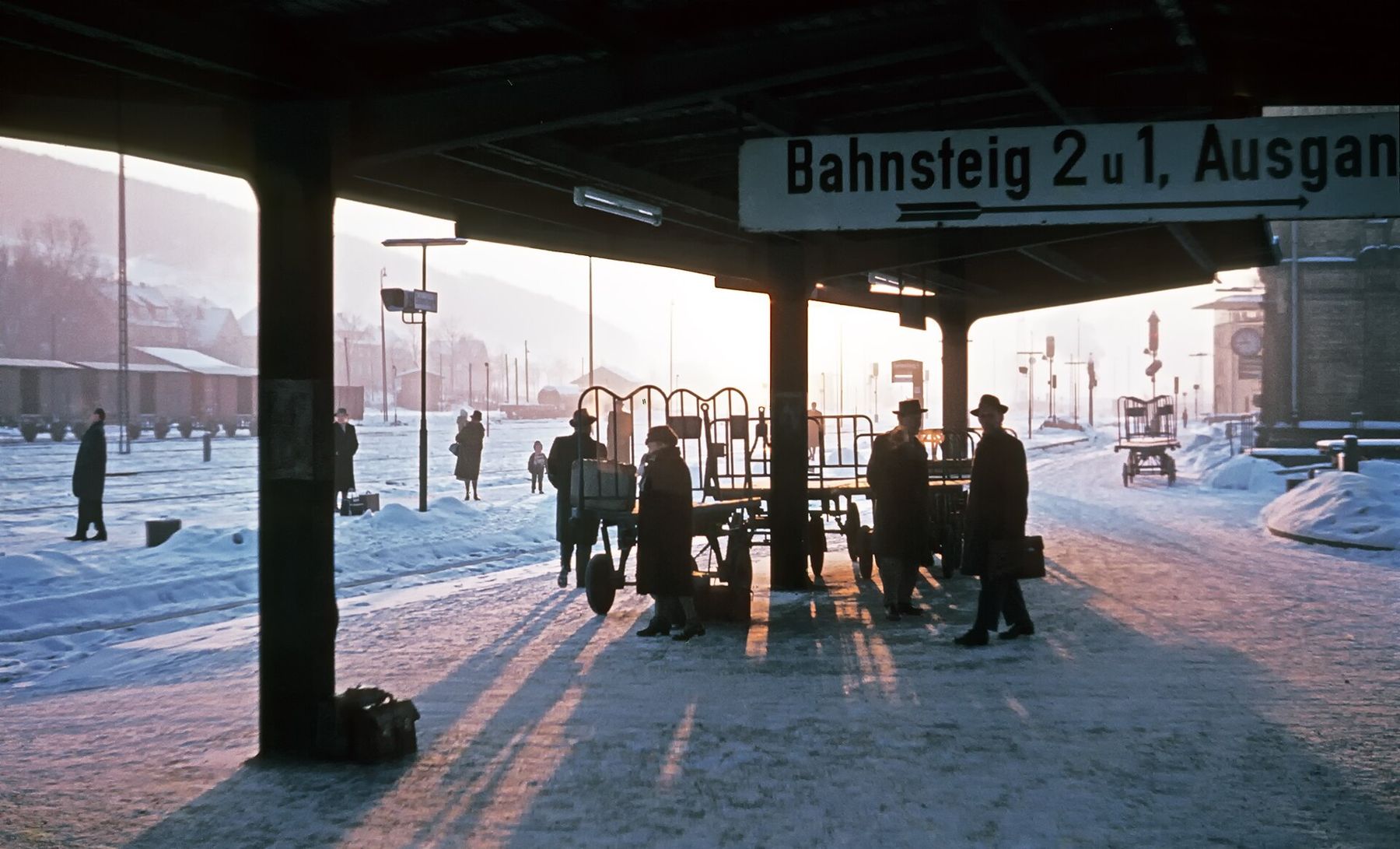
Station areas are built for movement, not lingering. Streets are often wide and busy, with heavy traffic and a mix of offices, chain shops and transport infrastructure. Evenings can feel plain or, in some cities, a little rough around the edges, especially on the side of the station facing away from the centre. That is not a reason to avoid them, but it is worth checking the exact streets.
The bigger cost is what you miss. Staying away from the old centre means you see it mostly by day, with the crowds, and lose the early mornings and late evenings when its streets are calmest. Every outing becomes a ride in and a ride back, and a rest in the middle of the day is harder to fit in. Over a stay of several nights, those short journeys add up, and in hot weather or with children they can shape the whole trip.
Change here forHow to read a neighbourhood before you bookThe interchangeThe case for the old centre
The old centre is usually where most of the sights are, and staying there turns the city into a place you walk rather than travel through. You can go out early before crowds arrive, return to your room in the middle of the day, and walk to dinner. Evening light on old streets is part of what people come for.

The trade-offs are practical. Old centres can be noisy at night where bars and restaurants cluster. Cars may be restricted, so taxis stop short and the last stretch is on foot, often on cobbles or up steps. Buildings are older, with smaller rooms and sometimes no lift. Rooms usually cost more for the space. The guide to where to stay in Rome shows how these trade-offs play out between the historic centre and the area around Termini.
The middle ground
Often the best answer lies between the two: a quiet street on the edge of the old centre, a short walk or one stop from the station. You keep easy arrivals and departures and still reach the sights on foot. To find it, draw a line on a map from the station to the heart of the old town, and look at the streets along it and just off it.
Luggage is the other half of the sum. Many large stations have left-luggage facilities or lockers, and many places to stay will hold bags before check-in and after check-out. If you can leave a case at the station or your lodging, the walk from an old-centre address on departure day matters much less. Facilities and rules vary, so check before you go.
Another option is to split the stay: a night or two in the old centre for atmosphere, then a final night near the station before an early train or flight. Moving once is a small price for a calm departure.
Airport links change the sums
In some cities the airport rail link runs to the main station; in others it stops elsewhere, or a bus is the main route. Check where the link ends before deciding. If it runs straight into the old centre, much of the case for the station disappears. If it ends at the station and the old town is a long transfer away, staying near the station on the last night can be well worth it. Routes and services change, so check before you go.
Some large cities have more than one main station, each serving different directions. Make sure you know which one your train uses.
Quick rules of thumb
- One or two nights, or many day trips: near the station.
- Three nights or more, focused on the city: in or near the old centre.
- Heavy bags or an early departure: near the station, at least for the last night.
- Light sleeper: on a side street in either, away from nightlife and main roads.
Whichever you choose, look at the actual street before booking; the guide on how to read a neighbourhood sets out what to check.