How to choose Anywhere
How to read a neighbourhood before you book
A listing shows you a room; it rarely shows you the street. A practical method for checking noise, hills, transport, late trains and the evening mood of an area from home, before you commit.
- First time here
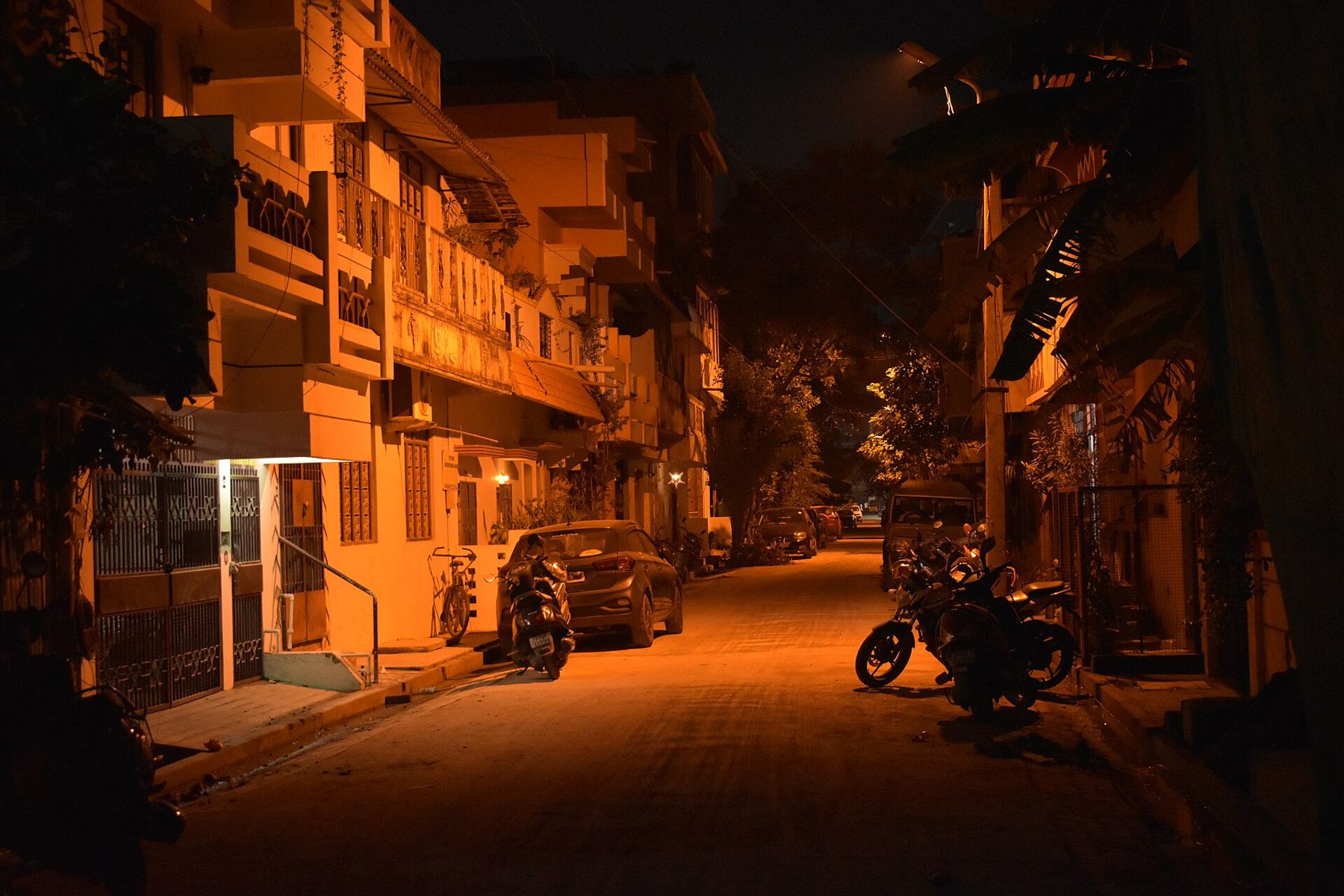
- A residential street one or two blocks from a busy core, within a short walk of a station: close to the sights, quieter at night.
- From the airport
- Check the direct line before booking
- Best months
- Any time you plan
- Getting there
- A map app and a transit map
- Pack
- Earplugs, a phone charger and a paper backup map
Most people choose where to stay by looking at a room: the bed, the bathroom, a view from the window. The street outside gets a glance at best. Yet the street decides how you sleep, how far you walk each day and how easy it is to get home late. A few minutes with a map before you book can save hours later. This guide sets out a simple method, with the questions to ask of any address.
Start with the map, not the listing
Before looking at any rooms, open a map of the city and mark the places you most want to see. Then look at where they cluster. In many cities they fall into two or three groups, and the best base sits within walking distance of one group and one easy ride from the others.
Next, add the transport network. Find the main metro, tram or train lines that link those clusters, and note the stations that sit on more than one line. An address close to a station served by two or three lines gives you far more options than one close to a single branch. The guide to where to stay in Tokyo shows how much this matters in a city run on trains.
Only now start looking at listings, and filter them to the area you have drawn. Anything outside it needs a strong reason, such as space for a family or a direct airport link.
Walk the street from home
Street-level imagery in map apps lets you stand outside an address before you book. Use it to check a few things.
- What is directly outside: a quiet side street, a main road, a tram line, a market, a row of bars.
- What is on the ground floor: a late-opening bar or a club beneath your window changes everything.
- The walk to the station: follow the route on screen, noting steps, steep sections, busy crossings and underpasses.
- The date of the imagery: it can be years old, so a building site or a new venue may not show.
Look at the street at night too, if the app has any evening images. A street of offices and shops can be busy at noon and empty at ten.

Read the ground: hills, steps and stairs
Flat maps hide slopes. Many cities that visitors love, such as Lisbon, Genoa or Cape Town, are steep, and the most attractive old quarters are often the steepest. Switch the map to a terrain or contour view if it has one, or use street imagery to look for steps and steep lanes.
Inside the building, check whether there is a lift. Listings for older buildings often place rooms on upper floors reached only by stairs. With heavy bags, that matters as much as the distance to the station. The guide to where to stay in Lisbon shows how hills reshape the choice of quarter.
Change here forNear the station or in the old centre?The interchangeListen to the neighbourhood
Noise is the most common complaint about city stays, and the easiest to predict. Common sources include:
- nightlife streets and squares, especially on weekend nights;
- main roads, tram lines and railway tracks;
- early deliveries, markets and rubbish collection in old centres;
- bells, calls to prayer or festivals, which are part of a place but start early.
A room at the back of the building, on a high floor, or facing a courtyard is usually much quieter than one on the street front. If a listing does not say which way a room faces, ask. A block or two away from a busy street often cuts noise sharply with almost no loss of convenience.
Check the last ride home
Daytime transport rarely causes problems; late evenings do. Look up when the nearest lines stop running, whether they run all night at weekends, and whether night buses cover the route. These change, so check close to your trip. If you expect to be out late, an address within a reasonable walk of where you will spend evenings may beat one closer to the sights.
Think about arrival and departure too. A direct line from the airport or the main station to your door is worth a lot after a long journey, especially with luggage or children. The guide on staying near the station or in the old centre covers that trade-off in more detail.
Read reviews for what they leave out
Reviews describe the room more than the street, and the people who write them have different tolerances for noise, stairs and nightlife. Read them for patterns rather than single complaints. Look for repeated mentions of noise at night, steps, lifts, building work, the walk from the station or how the area feels after dark. Short stays and long stays often see different things.
Be wary of vague labels such as "lively" or "up and coming", which can mean many things. Equally, a "quiet residential area" can mean a long ride to everything. And remember that how safe a street feels varies by person and by hour; ask locally once you arrive, and adjust.
A simple checklist
- Mark the sights and see where they cluster.
- Find stations served by more than one line near that cluster.
- Look at the street and the ground floor in street imagery.
- Check slopes, steps and whether there is a lift.
- Ask which way the room faces and what is outside.
- Check last trains and the route from the airport.
- Read reviews for patterns about noise, stairs and evenings.