The Americas Buenos Aires
Where to stay in Buenos Aires
Buenos Aires is a city of barrios, each with its own pace and hours. How Palermo, Recoleta, San Telmo and the Microcentro compare on transport, noise, walking and late nights.
- First time here
- Palermo, close to a Line D station: leafy streets, parks, plenty of places to eat late, and a straight subte ride to the centre.
- From the airport
- Official taxi or airport bus from Ezeiza
- Best months
- October, November, March, April
- Getting there
- Ezeiza International Airport, then road
- Pack
- Comfortable shoes, a light jacket and patience for late dinners
Buenos Aires is a flat, sprawling grid, and most of it is easy to walk once you understand that the city keeps late hours. Dinner often starts well after nine, and some streets are busiest near midnight. The barrio you choose decides how far you walk home, how much noise reaches your window and how quickly you reach the sights. Four areas cover most visits, and each suits a different kind of trip.
Getting your bearings
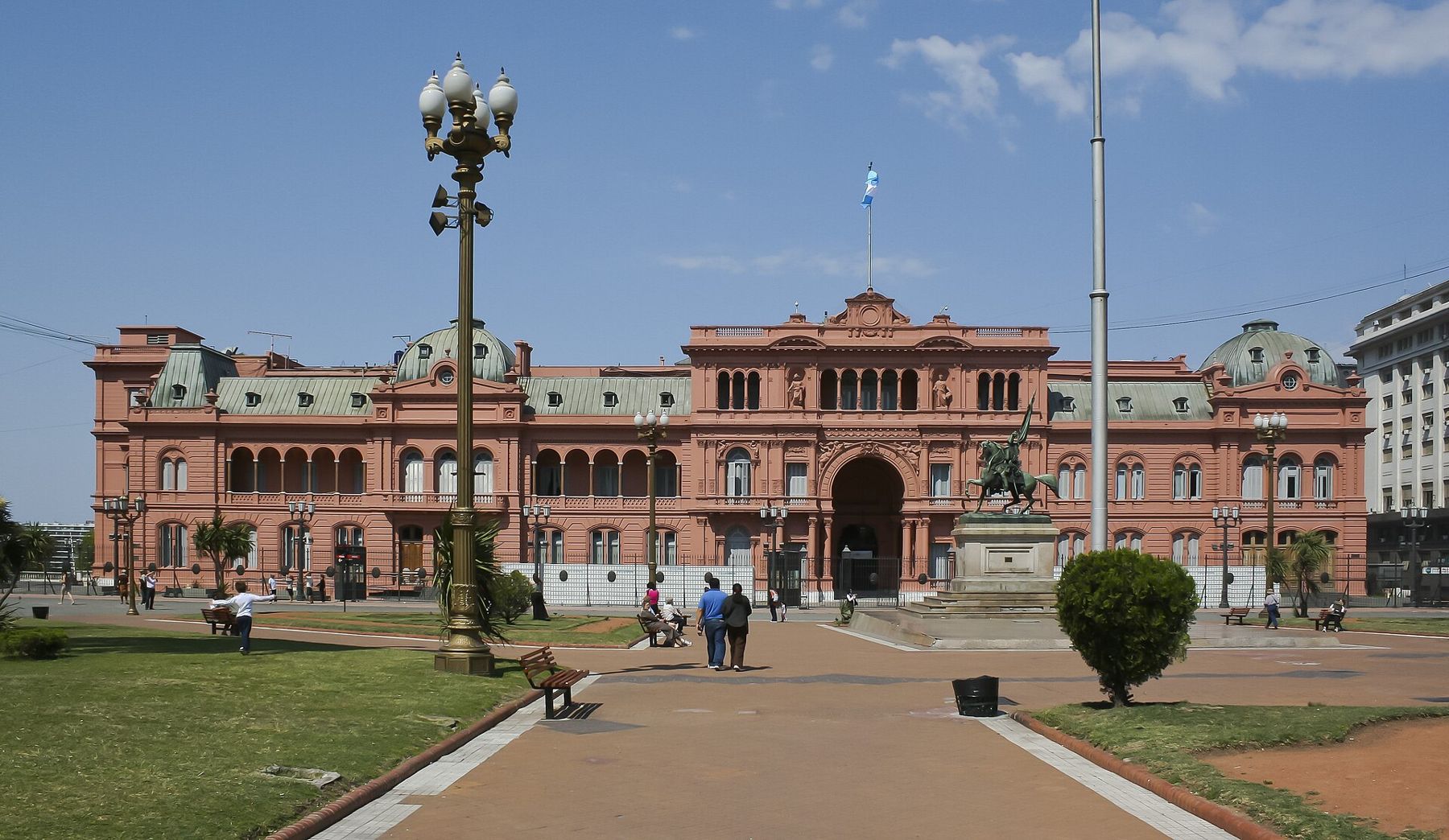
The historic and political centre sits near the river around the Plaza de Mayo, with the Casa Rosada at its eastern end. From there the city spreads north along the river through Retiro and Recoleta to Palermo, and south to San Telmo and La Boca. The wide Avenida 9 de Julio, with the Obelisco at its centre, cuts through the middle. Puerto Madero, a district of converted docks and modern towers, lines the old port just east of the centre.
The subte, the city's underground, has six lines lettered A to E and H. Most run out from the centre like spokes, so travelling between two outer barrios can mean going in and out again. Buses cover almost every street, many of them around the clock, and taxis are plentiful. A rechargeable transport card covers the subte and buses; payment options change, so check before you go.
Palermo: parks, food and late nights
Palermo is the largest barrio in the city and the most popular base for visitors. Its parks, the Bosques de Palermo, with the rose garden, the Japanese Garden and the botanical garden, give it more green space than anywhere else in the centre. The sub-areas known as Palermo Soho and Palermo Hollywood are full of restaurants, bars, design shops and street art on low, tree-lined streets.
Line D runs along Avenida Santa Fe on Palermo's edge, linking it straight to the centre. The core of Palermo Soho is a walk from the nearest stations, though buses fill the gap. The trade-off is noise: streets around the main bar clusters are loud late on weekends, so a room on a quieter block or at the back of a building makes a big difference. Palermo is also handy for the domestic airport, Aeroparque, which sits by the river nearby.
Recoleta: grand avenues and a calmer evening
Recoleta is the city's most European-looking barrio, with Parisian-style apartment buildings, wide avenues and leafy plazas. Its best-known sight is the Recoleta Cemetery, a city of marble tombs where Eva Perón is buried. The National Museum of Fine Arts and the giant steel flower of the Floralis Genérica are close by.
Recoleta is calmer than Palermo after dark, well kept and generally considered one of the more comfortable areas to walk at night. It usually costs more. Subte coverage is patchy in its western blocks, though Line D along Santa Fe and Line H serve its edges, and buses and taxis are easy. It suits couples, older travellers and anyone who prefers a quiet street and an early-ish night.
Change here forWhere to stay in Mexico CityThe Hudson lineSan Telmo: cobbles, tango and antiques
San Telmo is one of the oldest parts of the city, with cobbled streets, colonial houses, faded mansions and an old covered market. Plaza Dorrego is its heart, and on Sundays a long street fair fills Defensa street with antique stalls, crafts and music. Tango is part of the barrio's identity, from shows to informal dancing.
San Telmo has the most character of the four, and it is walkable to the Plaza de Mayo. Places to stay often cost less than in Palermo or Recoleta. The trade-offs are that the subte reaches only its edges, some blocks are very quiet late at night, and the Sunday fair brings big crowds. Many visitors love it; others prefer to visit by day and sleep further north. Stick to busier, lit streets at night and ask locally about specific blocks.
Microcentro: central by day, empty by night
The Microcentro, the business district around Calle Florida and Avenida Corrientes, puts you a short walk from the Casa Rosada, the Plaza de Mayo, the theatres along Corrientes and the Obelisco. Almost every subte line passes through, so it is well placed for getting around.
The drawback is that many blocks empty after office hours and at weekends, which makes evenings flat and some streets feel lonely. Pickpocketing is a known problem in crowded parts of the centre, as in any big city. The Microcentro suits short business trips or a night before an early departure more than a longer stay. Puerto Madero, next door, is quieter, polished and usually costs more; its riverside walks are pleasant, but it feels separate from the rest of the city. For a broader look at that trade-off, see the guide on staying near the station or in the old centre.
Arriving, safety and timing
International flights land at Ezeiza, a long drive south-west of the city. Official taxis and remises are booked at counters in the arrivals hall, and airport bus services run to the centre. Traffic can make the trip much longer at busy times. Domestic and some regional flights use Aeroparque, close to Palermo.
Safety in Buenos Aires is mostly a matter of ordinary city sense. Keep phones out of sight on the street and on the subte, watch bags in crowded places, and take a taxi late at night if a walk would mean empty streets. Be wary of strangers who point out a stain on your clothes or offer help you did not ask for. The guide on how to read a neighbourhood explains how to check a specific street before you book.
The seasons are the reverse of the northern hemisphere. Spring and autumn are the most comfortable for walking; January and February are hot and humid, and many residents leave the city then. Winter is cool and grey but rarely cold enough to stop you walking.
Which barrio to choose
- First visit: Palermo, near Line D.
- Quiet, elegant streets: Recoleta.
- Character and history on the doorstep: San Telmo.
- A short, practical stay: the Microcentro.
If you are comparing Latin American capitals, the guide to where to stay in Mexico City works through a similar choice between a historic core and leafy residential colonias.