Asia Bangkok
Where to stay in Bangkok
In Bangkok, traffic decides more than distance. Here is how the riverside, the Old Town, Silom and Sukhumvit compare for trains, boats, heat and evenings.
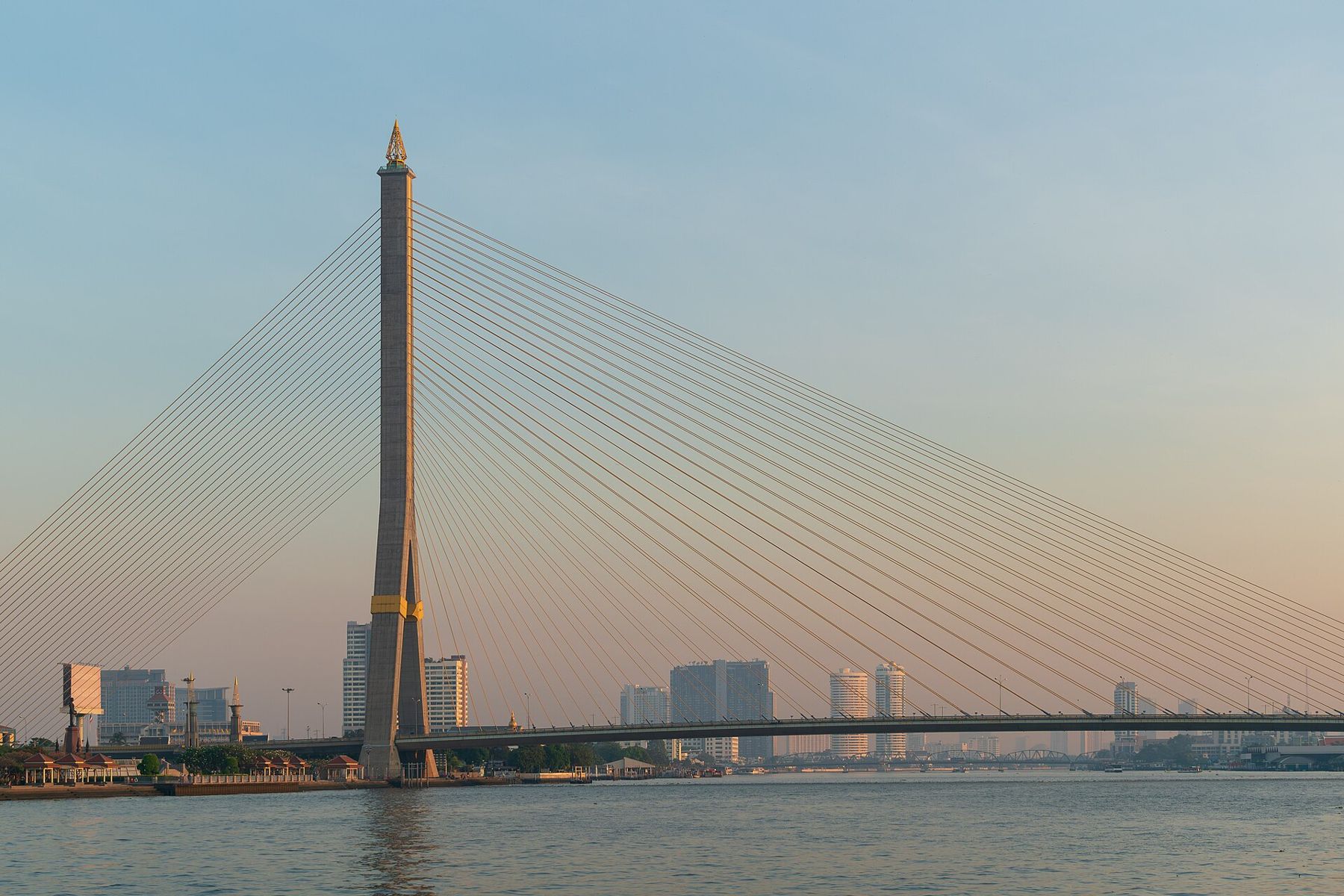
- First time here
- The riverside near Saphan Taksin: boats to the temples and the Skytree to the modern city, so you can reach both halves of Bangkok without sitting in traffic.
- From the airport
- Airport Rail Link, then Skytrain or metro
- Best months
- November to February
- Getting there
- Fly into Suvarnabhumi or Don Mueang
- Pack
- Light clothes, a sun hat and covered shoulders
Bangkok is huge, hot and often gridlocked, so the most useful rule is simple: stay close to a rail station or a river pier. The BTS Skytrain and the MRT metro cover the modern centre, and the Chao Phraya Express boats run along the river past the old temples. Places that look close on a map can take a long time by road at rush hour.
The city splits roughly into the historic Old Town by the river, the business districts of Silom and Sathorn, and the long road of Sukhumvit running east. Here is how four areas compare.
Rails, roads and the river
The Skytrain has two main lines, the Sukhumvit line and the Silom line, which meet at Siam, the big shopping hub. The MRT Blue line forms a loop that reaches Chinatown and the Old Town, and other lines run out to the suburbs. The river boats are the easiest way to reach the Grand Palace, Wat Pho and Wat Arun, and the stretch of water between the old and new city is one of the best views in Bangkok.
Heat matters too. Walking even ten minutes in the middle of the day can be tiring, so a room close to a station or pier saves more energy than you might think. Covered walkways link some Skytrain stations with nearby malls and offices, which helps in the heat and in sudden rain.
Riverside: boats and views
The riverside, especially around Saphan Taksin station on the Silom line, links the two halves of the city. Sathorn pier sits beside the station, so you can take a boat north to the temples and the Skytrain east to the shopping districts. Many large riverside buildings sit along this stretch, along with old warehouses, churches and markets, and Chinatown is a short boat or metro ride away.
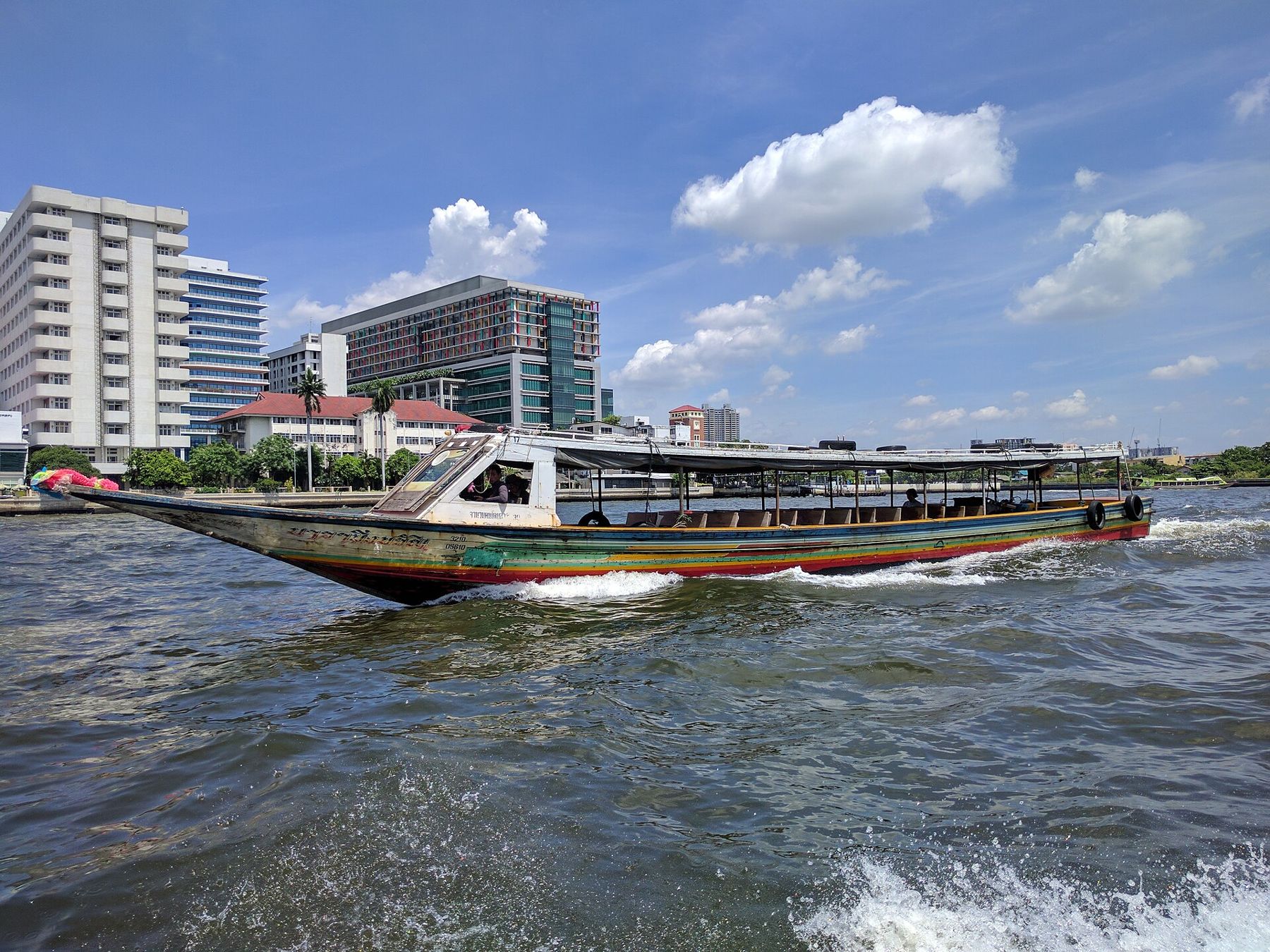
The trade-off is that some riverside streets are quiet in the evening and away from a station, which can mean relying on shuttle boats or taxis. Rooms on the water usually cost more.
Old Town and Banglamphu
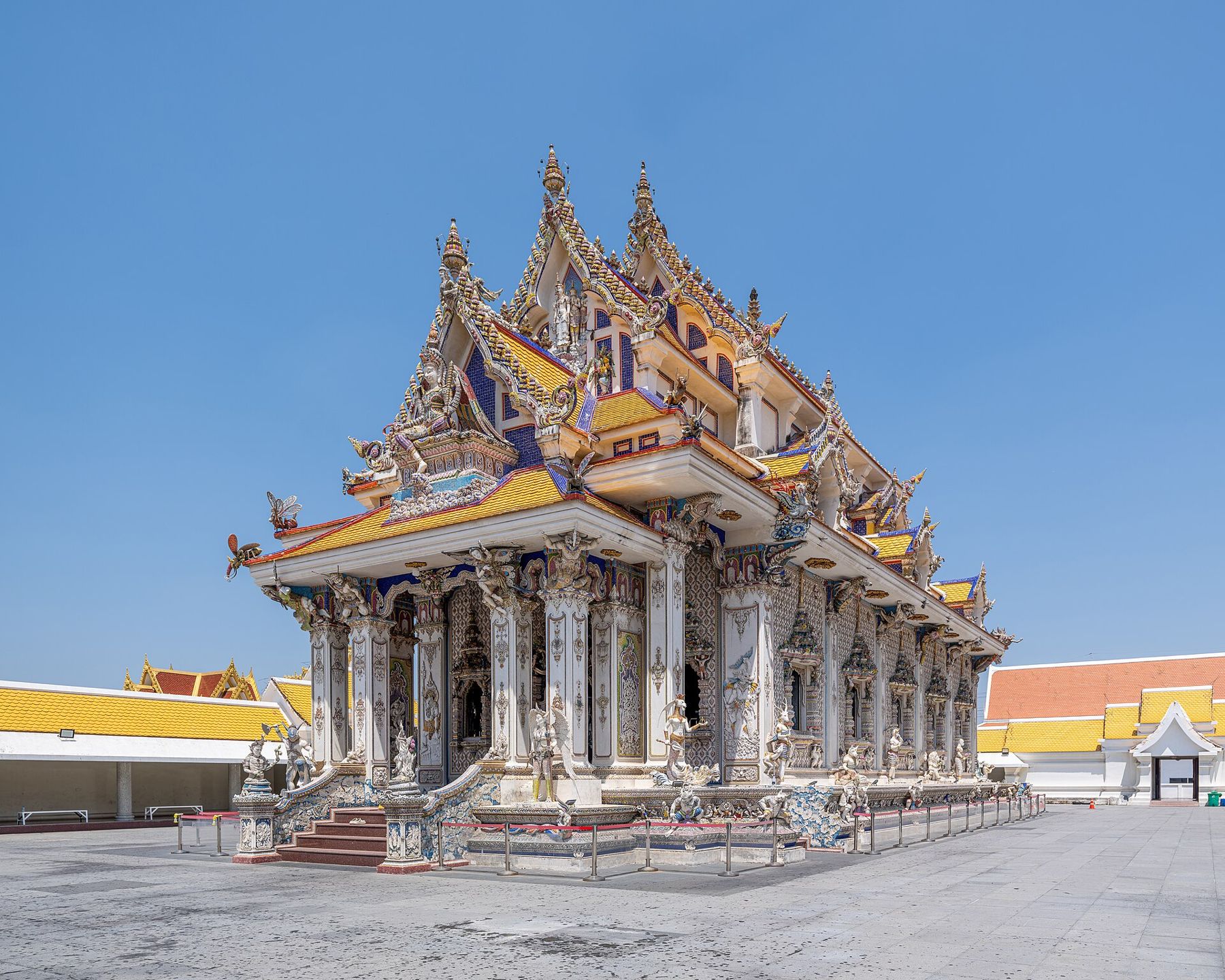
The Old Town, on Rattanakosin Island, holds the Grand Palace, Wat Pho and the old government quarter, with Wat Arun across the river. Just north, Banglamphu includes Khao San Road, long a backpacker street, and quieter lanes along the river and canals.
Change here forWhere to stay in TokyoThe Han lineStaying here puts the main temples within walking distance, and rooms usually cost less than in Sukhumvit or Silom. The MRT now reaches the southern edge of the Old Town, with Sanam Chai station near Wat Pho, but much of the area is still served mainly by boats, buses and taxis, so trips to the modern city can be slow. Khao San Road and its nearby streets are loud late at night; lanes a few minutes away are much calmer.
Chinatown, around Yaowarat Road just east of the Old Town, is another option, with famous street food in the evening, gold shops and old shophouses. Wat Mangkon station on the MRT Blue line serves it. It is crowded, hot and noisy, and for many visitors that is the point.
Silom and Sathorn
Silom and Sathorn form the main business district, with office towers by day and a busy food and night scene in the evening. Lumphini Park, a large green space with a lake and walking paths, sits on the edge of the district and is a welcome escape from the heat early in the morning.
The Silom line of the Skytrain and the MRT Blue line both serve the area, with an interchange at Sala Daeng and Silom. It is practical, central and well connected to the river. Some streets are busy late at night, while the residential lanes off Sathorn are calmer.
Sukhumvit
Sukhumvit is a very long road running east from the centre, lined with shopping malls, places to eat and drink, and residential side streets known as sois. The Skytrain runs above it for its whole length, and the MRT crosses it at Asok, which makes it one of the easiest areas for getting around by rail.
Sukhumvit is large and varied. The stretch near Nana and Asok is the busiest, with some streets known for late nightlife. Further east, around Phrom Phong, Thong Lo and Ekkamai, the area is more residential and popular with families and long-stay visitors. The trade-off is distance from the Old Town, which is a long ride by road or a combination of train and boat.
Heat, rain and choosing
The cooler, drier months are roughly November to February. It is hottest in March and April, and the rainy season runs roughly from May to October, with heavy downpours that can flood streets for a while. From Suvarnabhumi airport, the Airport Rail Link runs to Phaya Thai on the Skytrain and to Makkasan near the MRT. From Don Mueang, a rail line connects with the city's new main station. Check current routes and fares before you go.
- First visit: the riverside near a Skytrain station.
- Temples on foot, lower cost: the Old Town and Banglamphu.
- Central and connected: Silom and Sathorn.
- Shopping, food and families: Sukhumvit, choosing the stretch to suit you.
If Bangkok is part of a longer Asian trip, see where to stay in Seoul or Tokyo. For how to check a soi or street before you commit, read how to read a neighbourhood.